
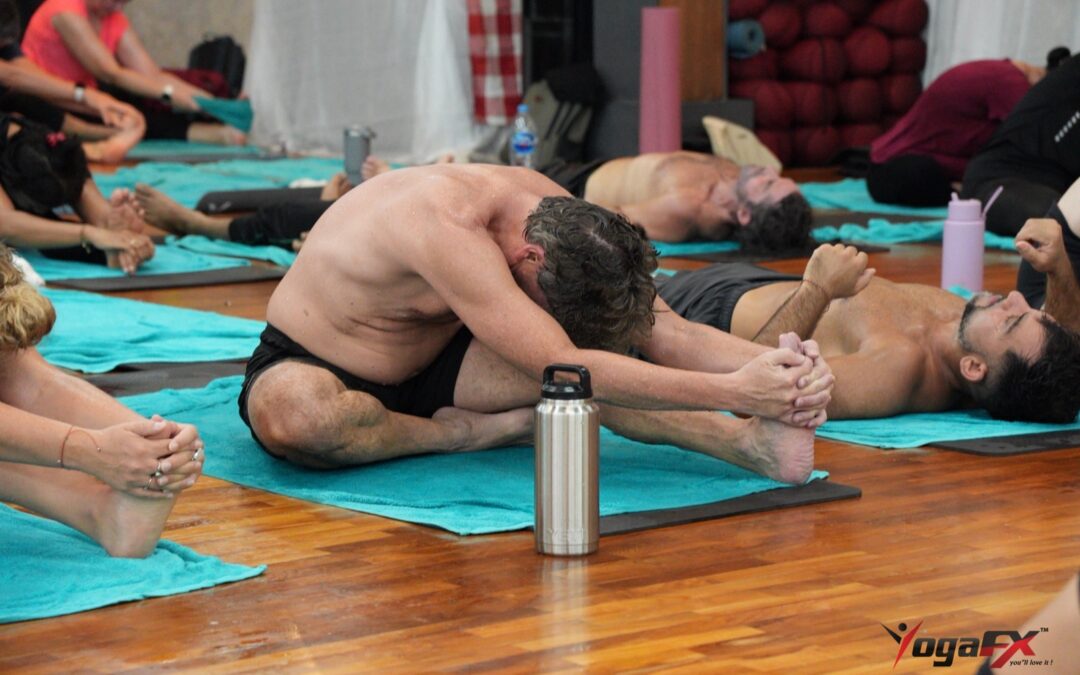
Yoga for footballers who train on weekday evenings and play at the weekend works best as two or three short home sessions a week, each 10 to 25 minutes, slotted between training and matches. Focus on hamstrings, hips and balance, keep the hardest stretching away from match day, and add heat only in quiet weeks.
This guide is for one kind of player. You have a day job, you train on Tuesday and Thursday nights, and you play on Saturday or Sunday. Your hamstrings feel like piano wire by Monday, and your hips have not felt loose since you started sitting at a desk. You don’t want another hour-long class. You want yoga for footballers that fits between the sessions you already have.
Yoga for Footballers: The Short Answer for Evening and Weekend Players
The short answer is yes, yoga for footballers is worth your time, but only if it respects your football week. A long, deep stretching class the night before a match can leave your legs feeling flat. A short, well-placed session on the right day does the opposite.
So with yoga for footballers, think about timing before postures. Here’s the simple version:
- The day after a match: a gentle 10 to 15 minutes on the floor to ease stiff legs and calm your breathing.
- A free midweek evening: your main session of about 25 minutes, with longer holds for hamstrings and hips.
- Before training: 8 minutes of light, active work to wake up balance, not long passive stretches.
- The day before a match: breathing and easy movement only, or nothing at all.
That’s it. There is no need for a studio membership or a long commute. A mat, a towel and a bit of floor space in the living room are enough for this kind of yoga for footballers.
Why Hamstrings and Hips Matter So Much in Football
Any plan of yoga for footballers starts with the demands of the game. Football asks for short sprints, sudden stops, long kicks and quick turns. Each one loads the back of the thigh and the hip. Then most amateur players sit for the rest of the week. That shortens the very muscles they need at the weekend.
The professional game shows how big the problem is. The UEFA Elite Club Injury Study followed 54 teams from 20 European countries over 21 seasons. Hamstring injuries made up 19% of all injuries, and their share rose from 12% to 24% of all injuries between 2001/02 and 2021/22 (Ekstrand et al., British Journal of Sports Medicine, 2023).
Those are full-time players with medical staff. Weekend players have less support and more desk hours. So it pays to look after the same areas. Yoga for footballers won’t replace the strength work a coach or physio sets you. Instead, it fills a different gap: range of movement, balance, breathing and the habit of checking in with your body between games.
The areas to focus on
- Hamstrings. Long, steady holds with a soft knee, never bouncing.
- Hip flexors and groin. Gentle lunges and wide-leg folds that open the front and inside of the hip.
- Calves and ankles. Standing balances that make the foot and ankle work.
- Lower back. Light backbends and twists to undo hours in a chair.
- Breathing. Slow nasal breathing that helps you settle after a hard game.
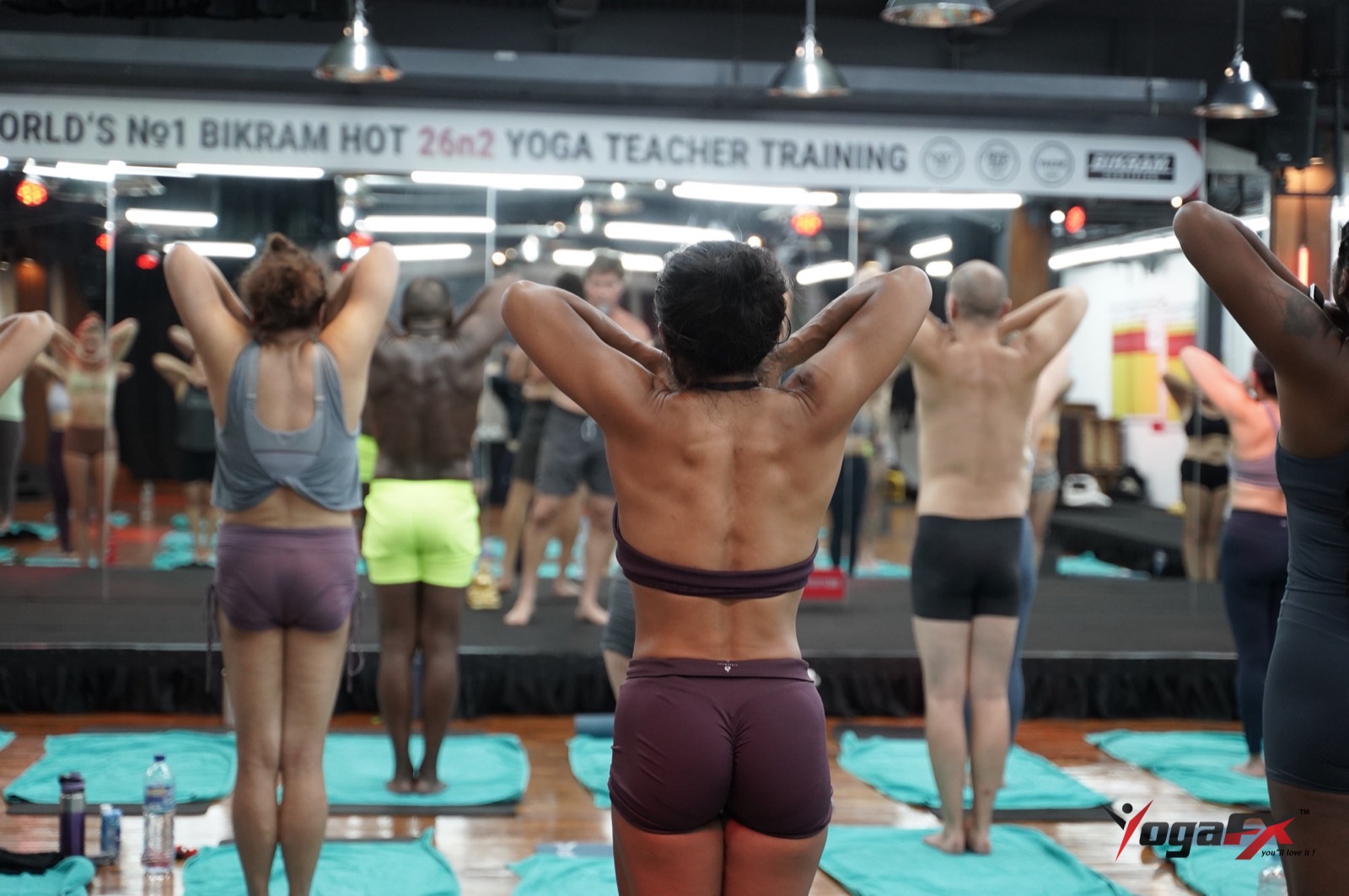
A Weekly Plan Around Evening Training and Weekend Matches
Here’s what yoga for footballers looks like across a typical amateur week with two evening sessions and a Sunday match. If you play on Saturday, shift every row back by one day. The point is the pattern, not the exact dates.
| Day | Football | Yoga session | Length | Main focus |
|---|---|---|---|---|
| Monday | Rest after Sunday’s match | Recovery floor routine | 10 to 15 minutes | Breathing, gentle hamstrings, lower back |
| Tuesday | Evening training | Pre-training activation | 8 minutes | Balance, ankles, warm hips |
| Wednesday | Free evening | Main hamstring and hip session | 25 minutes | Longer holds, groin, hip flexors |
| Thursday | Evening training | Pre-training activation | 8 minutes | Balance and leg strength |
| Friday | Rest | Optional short session | 10 minutes | Easy movement, no deep stretching |
| Saturday | Day before the match | Breathing only | 5 minutes | Calm, sleep, nothing intense |
| Sunday | Match day | None, or lying breathing after | 0 to 5 minutes | Let the body recover |
Add it up and yoga for footballers takes under an hour a week. That is realistic alongside a full-time job, training and a family. As a result, you are far more likely to keep going in December than with a plan that needs three full classes.
Three Short Home Routines Between Sessions
Each routine below uses postures from the Original Hot 26&2 sequence, the fixed set of 26 postures and 2 breathing exercises that YogaFX teaches. Because the order never changes, you stop thinking about what comes next and start noticing how your legs feel. Practise them unheated at home first.
Routine 1: The Monday recovery floor (10 to 15 minutes)
- Standing Deep Breathing, 2 rounds. Slow breaths in and out through the nose to bring your heart rate down.
- Wind Removing Pose, 2 sets. Lie on your back and hug one knee, then both, to ease the lower back.
- Cobra, 2 short sets. A low, gentle backbend to wake the spine after a day of sitting.
- Head to Knee with Stretching, 1 set each leg. Bend the knee as much as you need. The hamstring should feel stretched, not strained.
- Dead Body Pose, 2 minutes. Lie still and let your breathing slow down.
Keep everything at about half effort. In yoga for footballers, the goal after a match is circulation and calm, not new range. If a muscle feels bruised or sharp, leave it alone and speak to a physio.
Routine 2: The midweek hamstring and hip session (25 minutes)
This is the core of yoga for footballers in this plan. Do it on your free evening, ideally after a short walk so your legs are warm.
- Half Moon with Hands to Feet. Side bends, then a forward fold with bent knees to open the back of the legs.
- Awkward Pose. A chair-like squat that builds thigh endurance for the last 20 minutes of a match.
- Standing Bow Pulling Pose. Balance on one leg while the other lifts behind you, which opens the hip flexor and works the standing hamstring.
- Standing Separate Leg Stretching. A wide-leg fold that reaches the hamstrings and the inner thigh.
- Triangle. A deep lunge with a long back leg, good for the groin and hips.
- Locust and Spine Twisting. Strength for the lower back and glutes, then a calm twist to finish.
Hold each standing posture for about 20 to 30 seconds and repeat it once. Take the first set at 60 percent and go a little deeper on the second. That two-set rhythm comes straight from the 26&2 method, and it suits footballers who tend to push too hard too early.
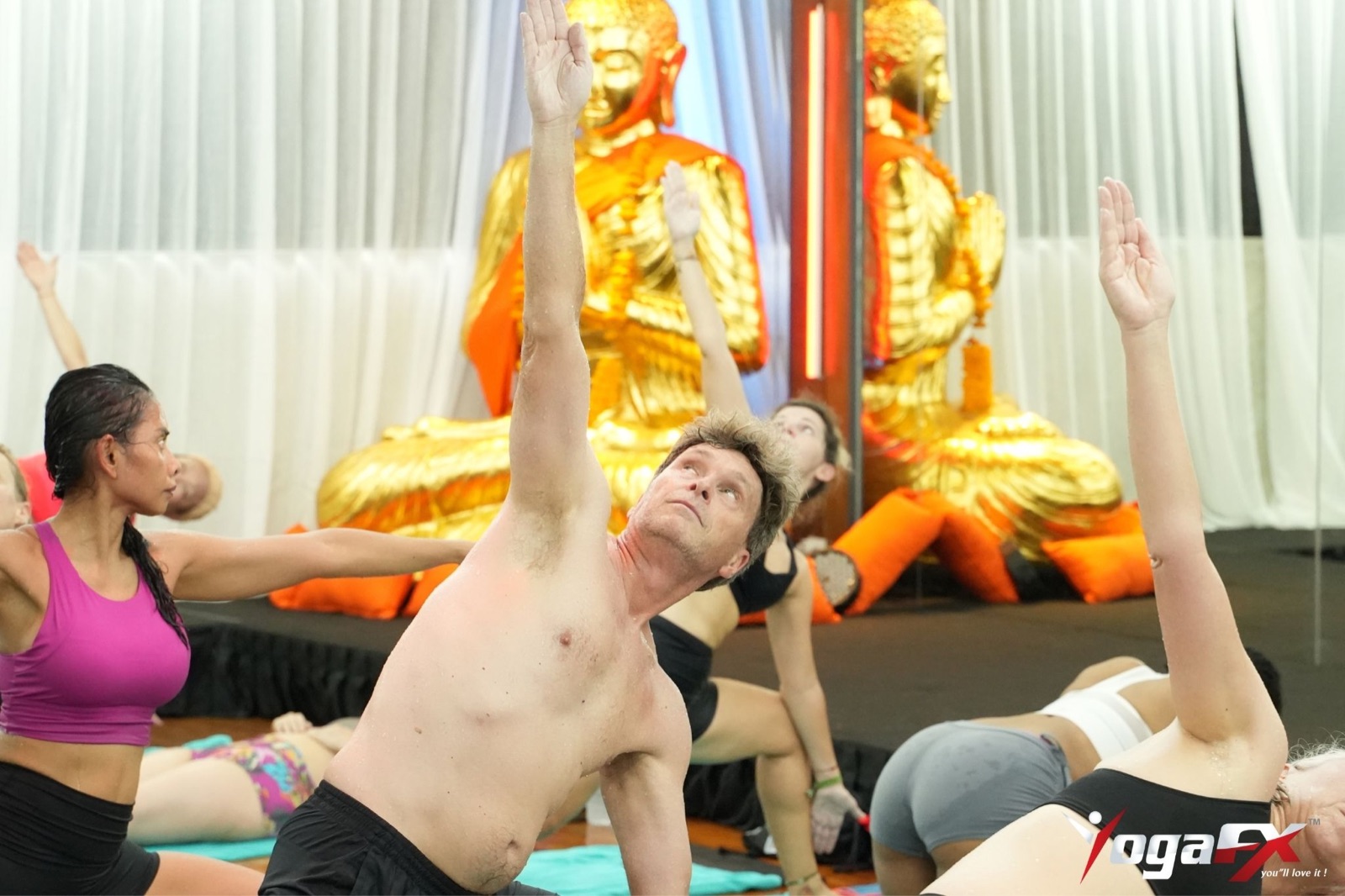
Routine 3: The 8-minute pre-training activation
Before training you want your legs switched on, not sleepy. Good yoga for footballers respects that. So this routine uses balance and strength rather than long passive stretches. Do it at home before you leave, or on the side of the pitch.
- Standing Deep Breathing, 1 round to settle after the drive from work.
- Awkward Pose, 1 set of each part to warm the thighs, knees and ankles.
- Standing Head to Knee setup, 30 seconds each side. Lock the standing leg and hold the other foot. No need to kick out.
- Tree, 30 seconds each side to wake the small muscles of the foot and ankle.
Then do your team’s normal warm-up. These postures support it. They don’t replace the running drills your coach uses.
What the Research Says About Yoga for Athletes
Trials of yoga for footballers are rare, so it’s fair to be honest about the evidence. Most studies are small. Still, several point in a helpful direction for yoga for footballers.
In a 2016 study in the International Journal of Yoga, Polsgrove and colleagues followed 26 male college athletes for 10 weeks. The group that added yoga made significant gains in flexibility and balance, including the sit-and-reach test and a one-leg stork stand. The group without yoga did not change.
What about the hot 26&2 sequence itself? Tracy and Hart tested it in a 2013 controlled trial, published in the Journal of Strength and Conditioning Research. After 24 classes in 8 weeks, the yoga group could fold further and lift more in a deadlift than the controls. Their aerobic fitness stayed the same. So yoga won’t replace your running.
For the bigger picture, Willmott and colleagues reviewed 43 hot yoga studies with 942 people in 2025 (Sports Medicine Open). They saw promising health and functional benefits. Still, they found no proof yet that hot yoga beats other exercise.
The mental side of a long season
Football is also stressful, especially when work and family share the same week. Heat and breathing may help here too. A Massachusetts General Hospital team ran an 8-week trial of heated yoga for adults with depression (Nyer et al., 2023). As the Harvard Gazette reported, symptoms halved for 59% of the yoga group. On the waitlist, the figure was 6.3%.
24%
Hamstring burden
Share of all injuries that were hamstring injuries in the 2021/22 season, up from 12% (Ekstrand et al., 2023).
10 weeks
Athletes on the mat
26 male college athletes; the yoga group gained flexibility and balance (Polsgrove et al., 2016).
24 classes
Hamstrings and back
8 weeks of the 26&2 raised hamstring flexibility and deadlift strength (Tracy and Hart, 2013).
59%
Head space
Heated yoga participants whose depression symptoms halved, vs 6.3% on a waitlist (Nyer et al., 2023).
What does this mean on the pitch? In short, a steady habit of two or three sessions a week is the dose most of these studies used. None of them proves that yoga prevents hamstring injuries, so treat it as one useful tool in your week, alongside strength work, sleep and sensible training loads.
Hot Yoga for Football Players: Is the Heat Worth It?
Hot yoga for football players is popular, and many men love how loose their legs feel in a heated room. A typical 26&2 class runs for 90 minutes at about 40 degrees Celsius with around 40 percent humidity. That is a real workout in its own right. According to a University of Wisconsin study (Porcari et al., 2014), men burned an average of about 460 calories in a 90-minute class.
That is exactly why timing matters in yoga for footballers. A full hot class is too much the day before a match, and it adds to your weekly load. So use heat in the right places:
- Off-season and pre-season. This is the best time to try full heated classes once or twice a week.
- Weeks without a match. A free weekend is a good chance for one longer hot session.
- Not within 48 hours of a match. Keep heat and long, deep stretching well away from kick-off.
- Hydrate through the day. Drink steadily rather than gulping a bottle just before class.
During the season, the unheated home routines above do most of the job. In other words, hot yoga football training is a bonus for quiet weeks, not the backbone of your plan.
A note on health: if you have a heart condition, high blood pressure, a current injury or take medication that affects heart rate or sweating, check with your doctor before any heated practice. This article is general information, so please consult a healthcare professional or your club physio about your own situation.
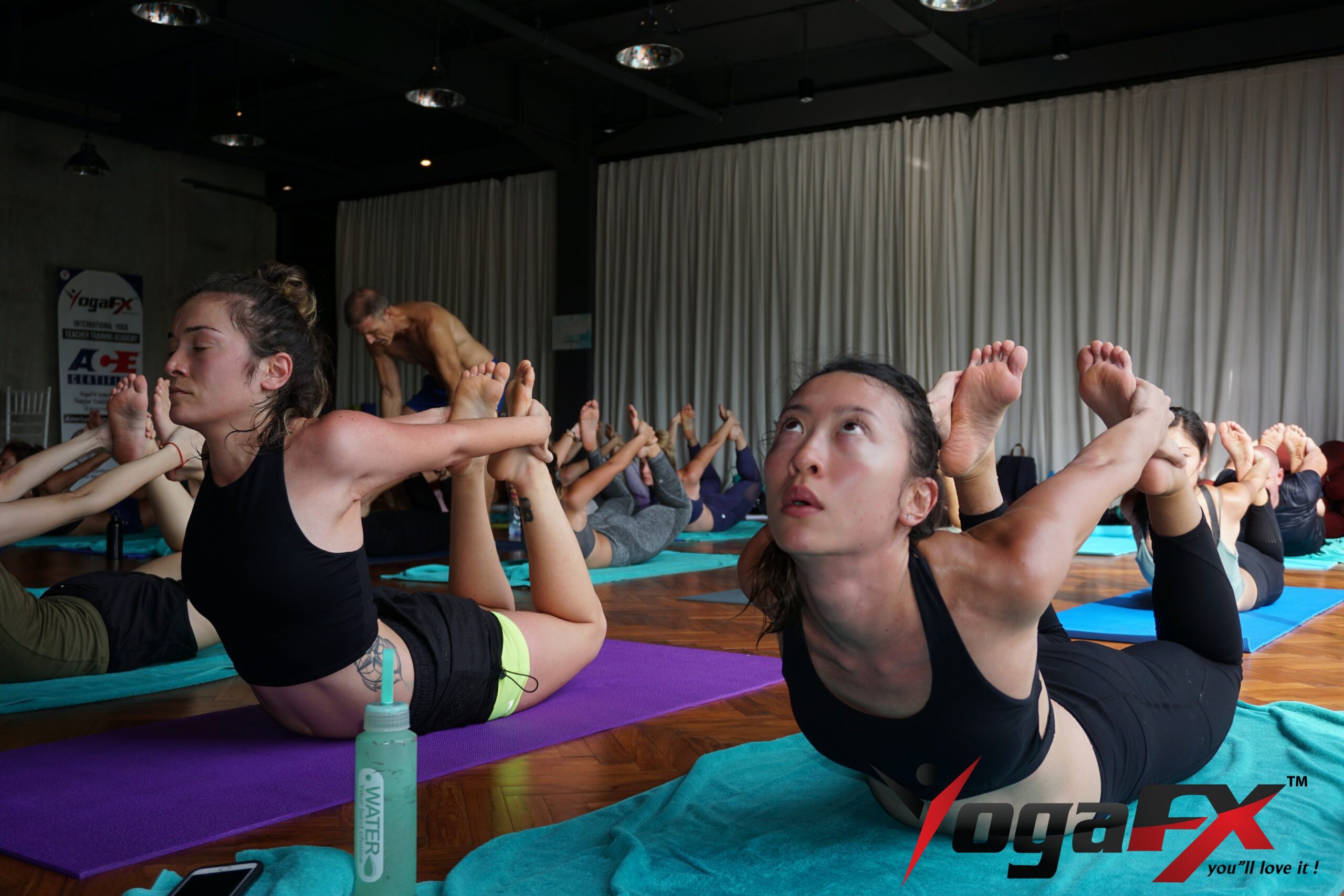
Yoga for Soccer Players vs Pilates, Stretching and the Gym
Whether you call it football or soccer, the question is the same: what should a busy player add to his week? Yoga for soccer players overlaps with other options, but each one has a different job.
- Yoga covers range of movement, balance, breathing and body awareness in one session.
- Pilates leans more towards core control and is a good partner to yoga, not a rival.
- Static stretching on its own is quick, but it rarely trains balance or breathing.
- Gym strength work, such as the hamstring exercises a physio prescribes, builds force that yoga does not.
For most weekend players, the best mix is simple. Keep the strength work your coach sets, then add yoga for footballers on the days in between. That way you’re building strength and range at the same time, rather than choosing one.
Common Mistakes Weekend Players Make With Yoga
Footballers are competitive, which is a strength on the pitch and a risk on the mat. These are the yoga for footballers mistakes we see most often:
- Stretching hard on match eve. Long, deep holds the night before can leave legs feeling heavy.
- Locking straight knees in forward folds. Bend them. It moves the stretch into the hamstrings and away from the lower back.
- Competing with the person next to you. Your range is yours. Match your effort to how your legs feel today.
- Stretching an injured muscle. A fresh strain needs a physio, not a deeper stretch.
- Doing one long class and then nothing. Three short sessions beat one heroic one every time.
If you are new to the heated version, our guide on preparing at home before your first heated class walks through the first few weeks. And if you are a little older and carry a few old football knocks, read yoga for men over 40 for a slower build-up.
What YogaFX Students Say
Many of our students arrive with stiff hips and busy jobs, just like the players this yoga for footballers plan is written for. Here’s what a few of them said once they had learned the sequence properly.
“At first, I thought the training would overwhelm me as I am a newbie in yoga journey. But, no! Thanks for Mr. Ian, even I can teach very well.”
Idam, Google review, 2024
“The training curriculum is comprehensive and well-structured, covering all aspects of Bikram yoga, including asanas, anatomy, philosophy, and teaching methodology.”
Septa, Google review, 2024
“Mr Ian Terry is really a good teacher and motivator! He is so passionate in what he does and really has the best interests for each and everyone of us.”
Ana, Google review, 2022
One trainee in our YouTube review from 2026 put it simply: “It helps me with my injury, and it’s the one thing that fixes my daily pain.” That’s one person’s story, not a promise. Still, it’s a common reason people keep practising.
In total, YogaFX students have left 150 Google reviews, 50 Yoga Alliance reviews and 357 YouTube video testimonials.
The YogaFX Route: Home Practice, Online Study, Then Bali
Some players enjoy yoga for footballers so much that they want to understand it properly, or teach it to their own team. That is what the Bikram Hot 26&2 Yoga Teacher Training MasterClass is built for. It is a six-day hybrid: you study the pre-course online at your own pace, around work and training, then join the intensive in Bali.
The next intensive runs from Sunday 24 January to Friday 29 January 2027, at Soham Wellness Center in Seminyak. That’s about five days off work, which you can plan around the winter break in many leagues. Graduates earn the Yoga Alliance RYT 200 and the Bikram Hot 26&2 200-Hour International Yoga Certification.
The Early Bird price is US$1,899, against a normal price of US$1,999. Payment plans start from US$250 a month with no interest, so you can keep your money in your pocket for boots and match fees.
The programme is led by Mr. Ian Terry, an E-RYT 500 instructor with more than 12,000 teaching hours. He trained for five years, from 2014 to 2019, with the founder of the method, and he is a Master Trainer for the Republic of Indonesia Yogasana Sports Federation. Since founding YogaFX in 2017, he has guided over 1,500 graduates from more than 80 countries.
Mr. Ian’s advice on yoga for footballers is practical. Keep the sessions short, respect match day, and let the second set of each posture go a little deeper than the first. To see how the online part works, read our guide to getting certified to teach hot yoga online, or browse the full online teacher training overview.
FAQ
Is yoga good for footballers?
Yes, yoga for footballers works when it fits the football week. Short sessions of 10 to 25 minutes, two or three times a week, can improve hamstring and hip range, balance and breathing. Keep deep stretching away from match day, and use yoga alongside the strength work your coach or physio sets, not instead of it.
Do football players do yoga?
Plenty of players use it, usually as part of their mobility and recovery work. For amateur players, the most practical approach is a short home routine on rest days and a brief balance routine before training, rather than long classes that compete with football for time and energy.
What are the benefits of yoga for football players?
Research on athletes reports better flexibility and balance after 10 weeks of yoga, and a 26&2 trial found better hamstring flexibility and deadlift strength after 24 classes. Players also value calmer breathing and a regular check-in with their bodies. Yoga has not been proven to prevent hamstring injuries on its own.
Is yoga or Pilates better for footballers?
They do different jobs, so many players use both. Yoga covers range of movement, balance and breathing in one session, while Pilates focuses more on core control. If you only have time for one, choose the one you will actually keep doing, and fit it around training rather than on match eve.
Does yoga help with football recovery?
Gentle yoga the day after a match can help you move stiff legs and slow your breathing. Keep it to 10 or 15 minutes at about half effort, with floor postures and soft hamstring work. Leave any sharp or bruised muscle alone, and see a physio if pain lasts more than a few days.
Still have questions? Message Mr. Ian and the YogaFX team on WhatsApp and we will answer them personally, whatever position you play.