Yoga Championship Training at Home: A Weekly Plan for Amateur Competitors
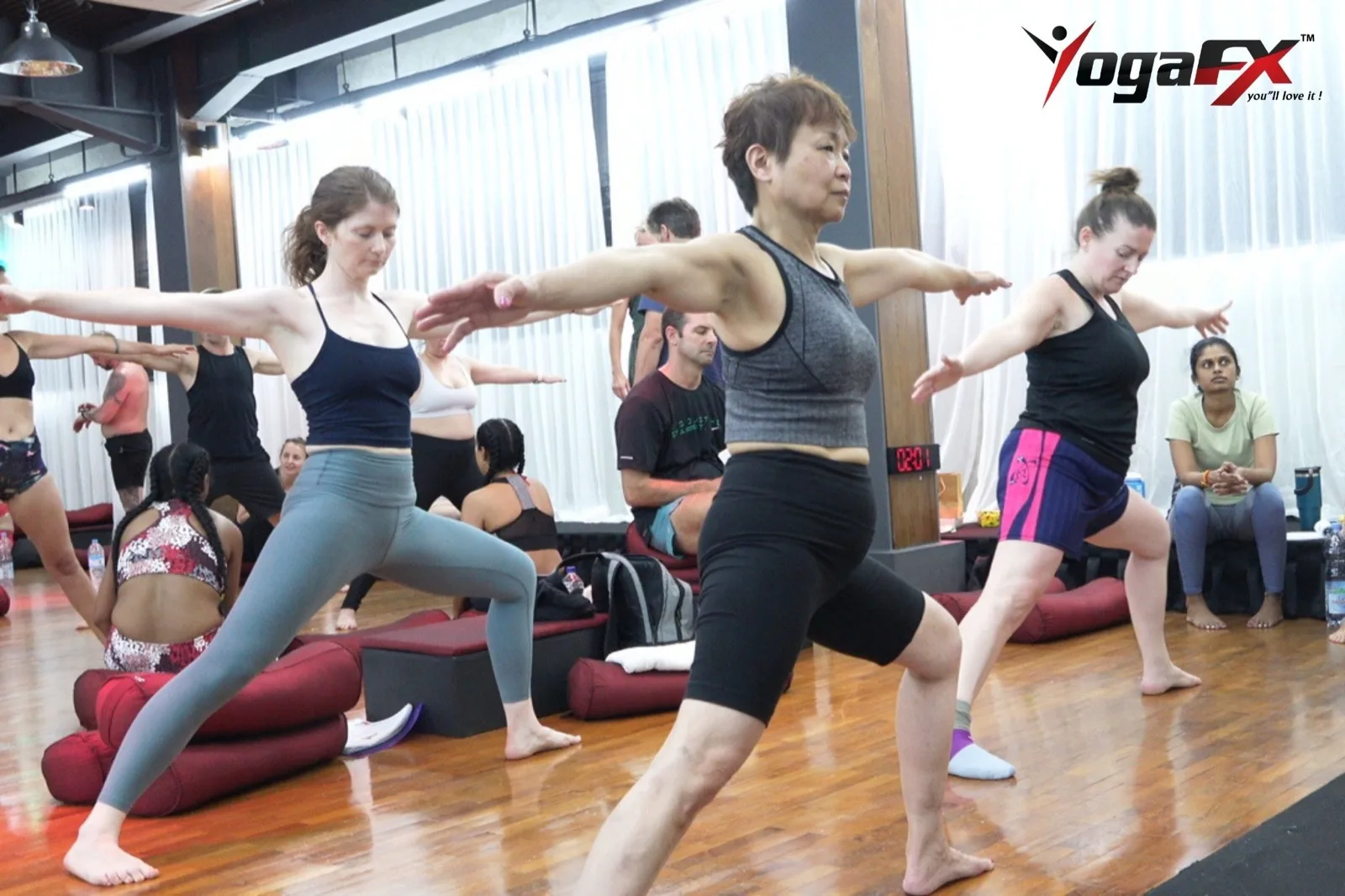
Yoga championship training at home works best as a seven-day weekly plan: two balance days, one strength day, one flexibility day, one coached check and two easy days. Keep each session under an hour, time every hold, and put a teacher's eyes on your postures before you enter any event.
This plan is for the amateur who watched the world yoga championship 2026 clips and thought, "I could build towards that." You have a job, a small floor space and no coach on speed dial. That's fine. Most of what a yoga championship rewards is learned in short, repeatable sessions, not in marathon ones.
Mr. Ian Terry, E-RYT 500, wrote the shape of this week with the YogaFX teaching team. He has taught more than 12,000 hours and is a Master Trainer of the Republic of Indonesia Yogasana Sports Federation, so he sees both the studio and the competition floor. The plan is our own teaching guide, not a federation document, so check your national rulebook before you compete.
Your Yoga Championship Week at a Glance
Here's the whole week in one table. Read it first, then use the sections below for the detail behind each day. The minutes add up to about 220 for the week, which is enough to improve and low enough to recover from.
| Day | Focus | Time | Home drill (no heat needed) |
|---|---|---|---|
| Monday | Balance | 30 min | Timed one-leg stands beside a wall, three holds per side |
| Tuesday | Strength | 30 min | Chair pose, locust and cobra holds, short rests between |
| Wednesday | Flexibility | 40 min | Forward folds and hip openers, stopping one breath short of your limit |
| Thursday | Easy day | 20 min | A gentle walk and slow breathing |
| Friday | Run-through | 40 min | Your event postures in order, timed, filmed on a phone |
| Saturday | Coached check | 60 min | A teacher watches live or reviews your video and marks it |
| Sunday | Full rest | 0 min | Sleep, food, water and a stretch only if you want one |
Notice that only two days are hard and one of them has a teacher in it. Many amateurs do the opposite. They train hard six days in a row, arrive at the event tired and wobble in the very postures they practised most.
Why Amateurs Should Train Less Than They Expect
A yoga championship asks for control, not exhaustion, and the sport itself is called yogasana in India. A judge sees the last second of your hold, not the hour you spent before it. So the goal of every session is to leave you able to repeat the same clean shape tomorrow.
The numbers support a modest load. The CDC's adult activity guidance says adults should aim for 150 minutes of moderate-intensity activity a week, plus muscle-strengthening work on at least 2 days. It lists doing some yoga postures as one example of strengthening activity. Our week already clears both bars, so you are free to spend your effort on quality.
Heat changes the maths. A 2014 University of Wisconsin study (Porcari et al.) put a 90-minute hot yoga class at about 80% of maximum heart rate, with roughly 333 calories burned by women and 460 by men. That is real cardio. So if you add a hot class to this plan, let it replace a hard day instead of stacking on top of one.
Strength matters too. A 2013 study by Tracy and Hart reported about a 20% gain in posterior chain strength, along with changes in flexibility and body composition, in people who practised a fixed hot yoga sequence. That's one study, so treat it as encouraging, not as a promise for you.
- Short beats long. Thirty focused minutes you can repeat will out-train a ninety-minute session you dread.
- Rest is training. Balance and flexibility improve while you recover, not while you strain.
- Repeat the same shapes. A fixed list of postures makes progress easy to see and easy to judge.
Balance and Strength Days: Monday and Tuesday
Monday: balance you can count
Stand beside a wall, lift one foot and breathe through your nose. Hold for a count you can finish without shaking, then repeat on the other side. Do three holds per side and write the times down. When the numbers stop growing, add five seconds the following week.
The wall is a safety net, not a crutch. Keep one fingertip near it and your standing foot flat, with the knee soft and not locked. If you wobble, say so out loud, because that tells you which side needs the extra set.
Tuesday: strength without fatigue
Choose three simple postures that make big muscles work: chair pose, locust and cobra. Hold each for a short, steady count, rest, and repeat three times. Your aim is to feel the legs and back working without a clenched jaw.
Stop every set one breath before you feel you have to. That habit is worth more than any single posture, because a yoga championship routine punishes the athlete who forces a shape and loses their face and breathing.
Flexibility Day: Wednesday
Flexibility is earned slowly, and the temptation to hurry is strong. Spend forty minutes on forward folds and hip openers. Move into each shape in stages, pause at the first real stretch and breathe for several slow counts before you go further.
- Warm up first. Five minutes of easy walking or arm circles before you fold.
- Hold, then deepen. Add depth only after your breath is calm.
- Stop short of pain. A sharp or pinching feeling means back out.
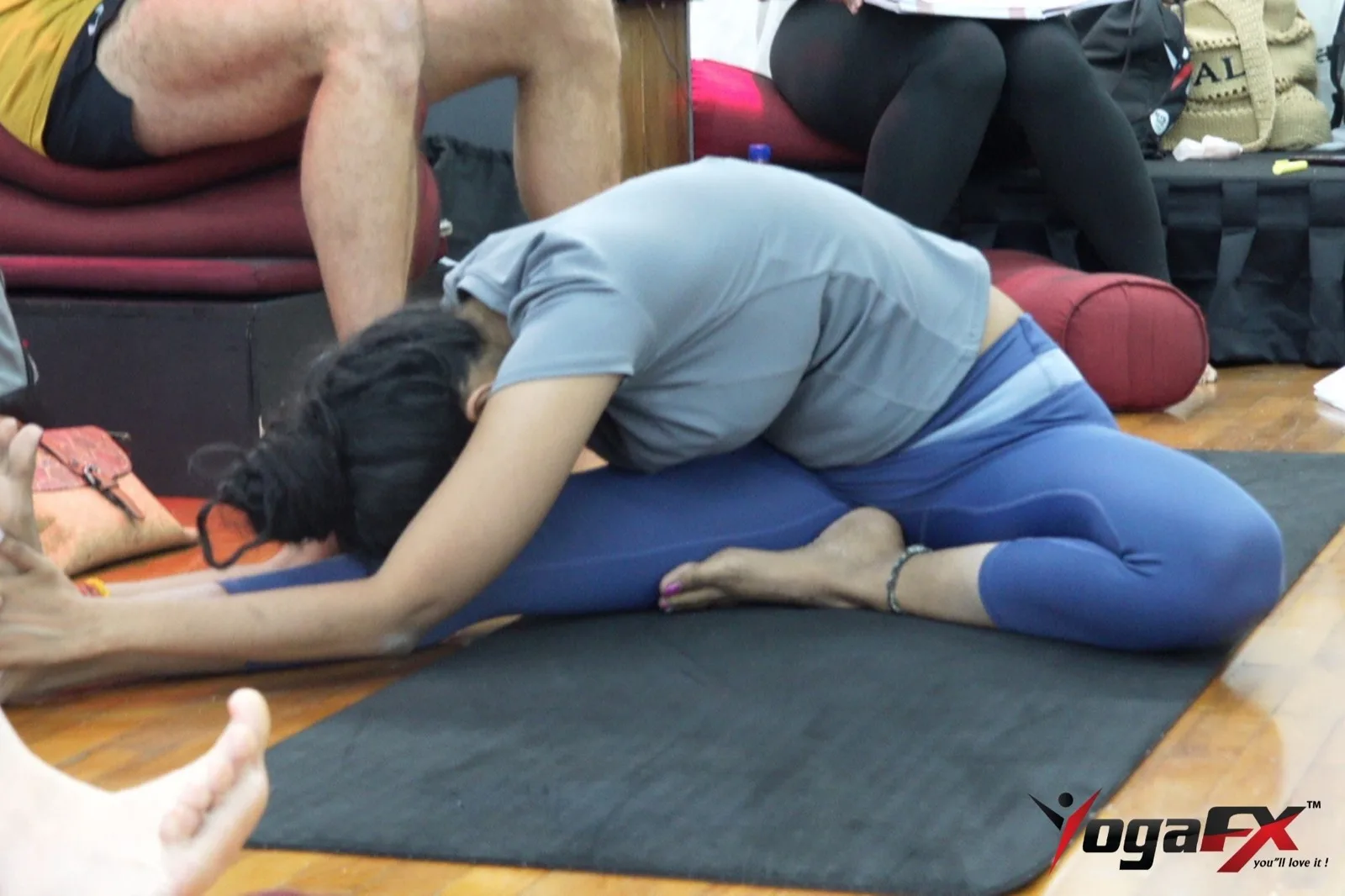
Friday: Run-Through and Hold Timing
Friday is the day you rehearse like it counts. Pick the postures you plan to show, put them in a fixed order and run the whole list once with a timer. Then film it on your phone from the front and from the side.
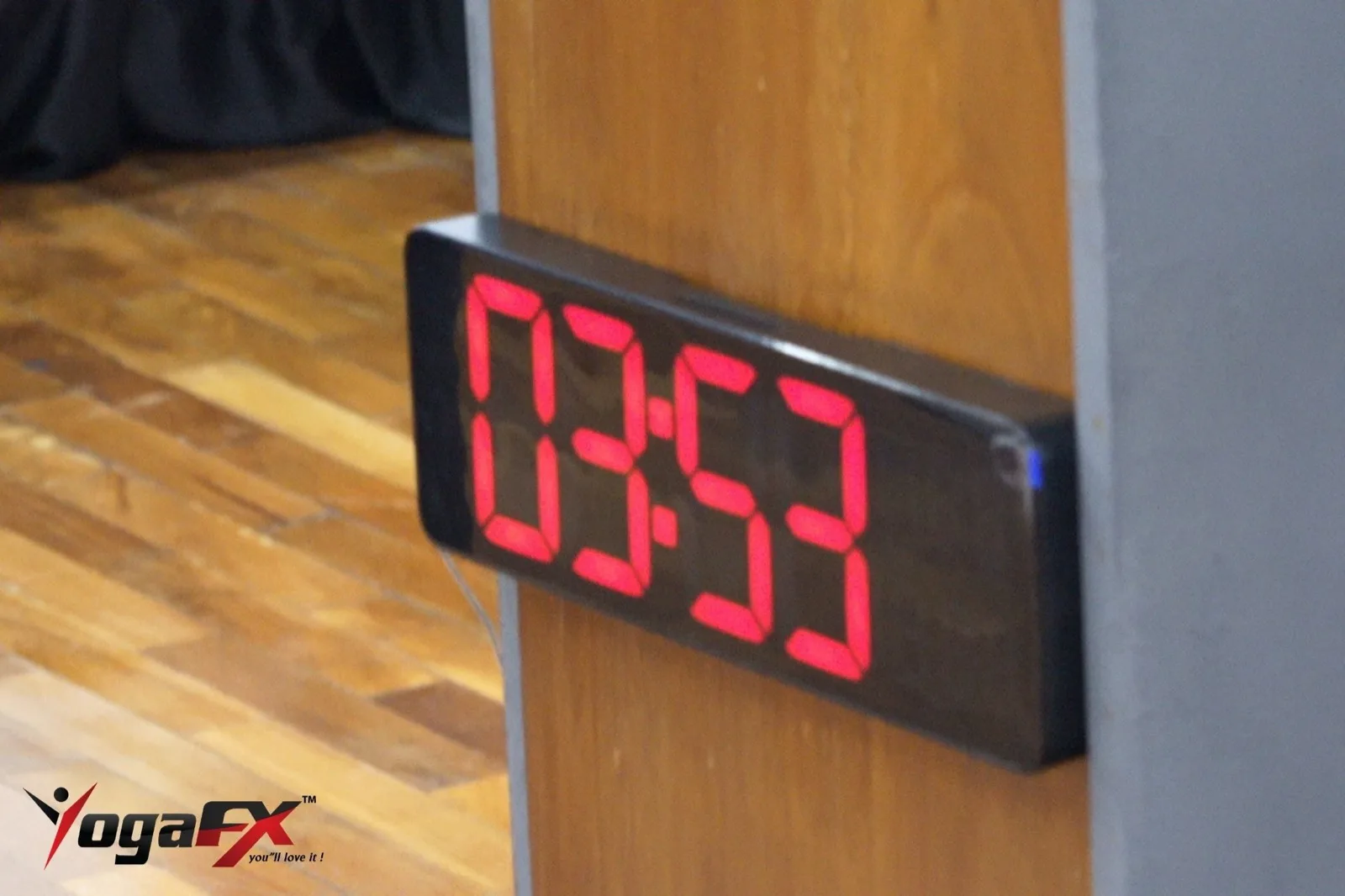
A visible clock on the wall is useful here. In a YogaFX room a large digital timer counts the class, and trainees quickly learn how long a hold really lasts when the legs begin to shake. At home, a cheap kitchen timer does the same job.
Watch the video with the sound off. Look for the standing foot that shuffles, the shoulder that creeps up, and the rushed entry. Write down one fix for each and carry them into Monday. If you want to see how a judge thinks, our guide to competitive yoga judging explains the qualities panels score.
The Numbers Behind This Yoga Championship Plan
Here's a quick picture of where the sport and the guidance stand. The first three cards come from YogaFX records and the last two come from the CDC and our own course dates.
Build a Small Home Practice Corner
You don't need a studio to follow this plan. You need a firm floor, a wall, a timer and a way to film yourself. A towel under your hands and feet helps once you start to sweat, and our guide to a hot yoga certification online shows how much of the learning travels to a living room.
- A clear wall. It gives you a safe place to practise balance.
- A phone on a stand. Video shows what a mirror hides.
- A notebook. Write every hold time and every fix you find.
- Water and a small snack. Train fed and hydrated, not hungry.
If you can reach a heated studio once a week, use it as a rehearsal. If you cannot, read our guide to original hot yoga at home to see what a cool floor can and cannot teach you.
Saturday: Get Eyes on Your Postures
This is the day that makes the plan safe. A teacher or experienced coach can see the shape you cannot feel, and a clear word at the right moment saves weeks of drifting into a bad habit. Ask them to mark you the way a judge would, with a score and one fix.
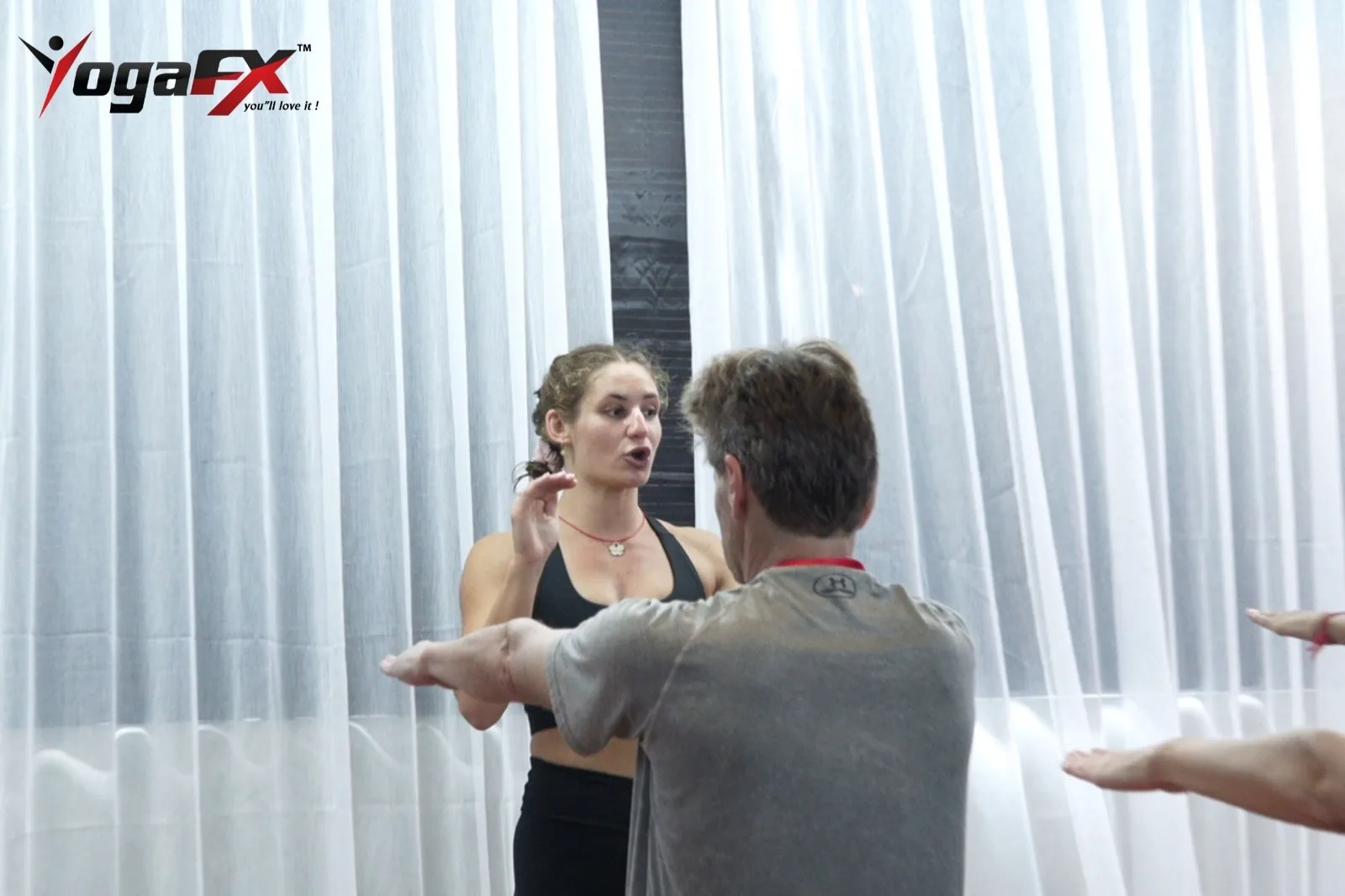
The YogaFX route is built around this idea. You learn the Original Hot 26&2 series and its dialogue online, then finish with a six-day intensive in Bali with a teacher in the room. Our explainer on the Bikram yoga dialogue shows why a fixed script helps you repeat a posture the same way every time.
Two YogaFX graduates show where careful repetition can lead. Ivara Candra Kartika, who graduated in 2023, won gold and bronze in Ahmedabad, silver at the Asian Championships in the UAE in August 2025 and gold at FORNAS VIII in July 2025. Arkan Fauzan Riyanto, who graduated in 2022, took two silver and three bronze medals in Ahmedabad.
Both would tell you what we do: the basics, repeated well, carry you further than any single hard session.
If you are curious how the sport grew into a world event, read this history of how the first contests became a world stage from our Bali team. For the bodies that run events, see our guide to the international yoga sports federation.
What Graduates Say About the Training
Here's what three graduates wrote about learning with us. Each quote is word for word, with first name, source and year.
The training was tough but so rewarding.
Samantha, Google review, 2025
The training was clear, structured, synthesized.
Cristina, Yoga Alliance review, 2024
Out of the ordinary organization and professionalism.
Michele, Google review, 2022
A clear structure is exactly what a weekly plan needs. When the order of the week is fixed, you spend your energy on the postures, not on deciding what to do next.
Safety Rules for Home Training
Any strenuous practice carries some risk, and training alone raises it. Please consult a healthcare professional before you start, especially if you have a heart condition, low blood pressure or an old injury, are pregnant, or take regular medication. Stop at the first sign of pain.
- Warm up every time. Cold muscles and fast folds are a poor mix.
- Never practise heat alone when new to it. Take a friend or a teacher to your first hot class.
- Skip risky shapes without supervision. Leave headstands and deep backbends for the coached day.
- Respect rest. Fatigue makes balance worse, not better.
One more note on evidence. No study we found has followed amateur competitors through a year of home preparation, so this plan rests on general exercise guidance and on what our teachers see in the room. Adjust it to your body and your event.
FAQ
What is a yoga championship?
A yoga championship is a judged sport event in which athletes perform set or chosen postures while a panel scores balance, flexibility, strength and control. Rules, age groups and posture lists differ between federations, so always read the rulebook of the event you want to enter before you start training.
Can I train for a yoga championship at home?
Yes, you can build most of the foundation at home: balance holds, strength work, flexibility and timed run-throughs. What you cannot do alone is see your own errors, so add a regular coached check, live or by video, before you ever enter an event.
How often should I train for a yoga championship?
Four to five short sessions a week suit most amateurs, with one coached session and at least one full rest day. Keep each session under an hour, time every hold and stop one breath before strain. Consistent weeks matter more than a few heroic ones.
Is yoga a competitive sport?
In many countries it is. Yogasana is organised as a competitive sport with national and world events, where judges score posture performance. Some teachers dislike the idea because yoga is wider than postures. In an ordinary class nobody ranks you, so you can practise without any scoreboard.
How long before I can enter a yoga championship?
It depends on your starting point and your national federation. Many amateurs need several months of steady practice and a coached mock routine before a first local event. Start with a regional contest, not a national one, and let your teacher say when you are ready.
Still have questions? Message Mr. Ian and the YogaFX team on WhatsApp and we will answer them personally, whether the question is about yoga championship training, online teacher training, the next intake or the six-day MasterClass in Bali.