Sauna After Hot Yoga: A Safe Same-Day Routine for Busy Weekends
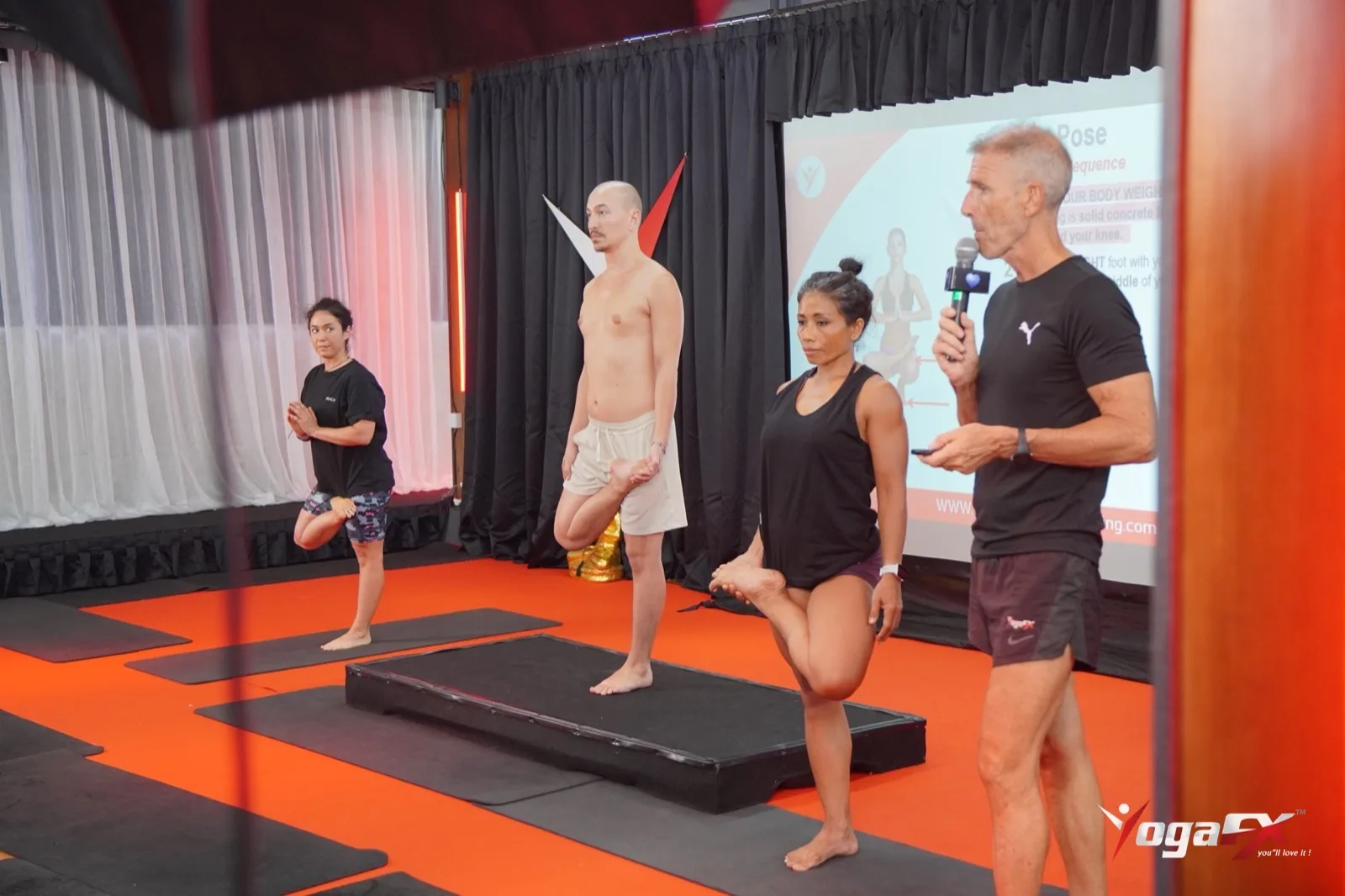
By Mr. Ian Terry, E-RYT 500, founder of YogaFX · Published
Sauna after hot yoga is safe for most healthy adults if you wait about 30 minutes, drink water first and stay for five to ten minutes. Skip it if you feel dizzy, have a heart or blood pressure condition, or have been drinking alcohol. This guide gives you a same-day weekend routine you can follow at home.
This article is written by the YogaFX team and reflects how Mr. Ian Terry, Founder and Lead Instructor (E-RYT 500, 12,000+ teaching hours), coaches heat exposure. It is general information, not medical advice. Please consult a healthcare professional before adding sauna sessions to your routine, especially if you have a heart condition, low blood pressure or are pregnant.
Weekends are when most busy people finally fit in a long class and a spa visit together. That is also when most mistakes happen. If you want the bigger picture first, read our comparison of hot yoga vs sauna for a packed working week, then come back here for the plan.
This article is part of our Hot Yoga for Men guides.
Sauna After Hot Yoga: The 5-Step Weekend Routine
A sauna after hot yoga should feel like the gentle part of the day. Your body has already worked hard in a warm room, so the sauna is recovery, not a second workout. These five steps keep it that way:
- Drink first. Sip water before class and again before you enter the sauna.
- Wait about 30 minutes. Let your heart rate and sweat rate settle after the last posture.
- Keep it short. Start with five minutes and add a little time each visit.
- Sit on the lower bench. Heat rises, so the top bench is the hottest.
- Cool down slowly. Rest, rehydrate and eat something light before anything strenuous.
The 30-minute wait is our coaching rule of thumb, not a figure from a trial. Everything else in this guide separates what research says from what experience suggests, so you can adjust the routine to your own body.
What Hot Yoga Already Does to Your Core Temperature
Before you add a sauna after hot yoga, it helps to know how hot your body already gets in class. A study titled Heart rate and core temperature responses to Bikram yoga, led by Emily Quandt and John Porcari at the University of Wisconsin-La Crosse, reported by the American Council on Exercise in 2015, measured core temperature in 20 regular Bikram practitioners aged 28 to 67. Each person swallowed a temperature sensor and took the full 90-minute class in a room at 105°F with 40% humidity.
The average highest core temperature was 103.2°F for men and 102.0°F for women. One man reached 104.1°F by the end of class, and seven of the 20 volunteers passed 103°F. Nobody showed signs of heat intolerance. You can read the full write-up in the ACE report on the Wisconsin study.
Those numbers explain why we treat the hours after class as recovery time. A sauna adds passive heat on top of that. You are not moving, so it feels easy, but your heart still has to push blood toward the skin to cool you down. The Wisconsin volunteers were healthy regulars (the core temperature readings came from swallowed sensors), so the results are a reference point, not a promise for every body.
A Same-Day Timeline for Busy Weekends
Most people reading this have a full week and one free Saturday. The table below shows how to fit a class and a sauna after hot yoga into the same day without stacking the heat loads. The timings are practical coaching guidance, so adjust them if your body tells you to.
| Step | Typical timing | What to do | Why it matters |
|---|---|---|---|
| Before class | 60 to 90 minutes earlier | Eat something light and sip water | Starts the day hydrated without a heavy stomach |
| Hot yoga class | Morning | Pace yourself and drink when you need to | Core temperature climbs through the 90 minutes |
| Cool-down | First 30 minutes after class | Shower, sit in the shade and sip water | Lets heart rate and sweat rate settle |
| Short sauna | 30 minutes or more after class, or later in the day | Five to ten minutes on the lower bench | Adds gentle heat without a second workout |
| Recovery | Straight after the sauna | Rehydrate, eat a light meal and skip alcohol | Replaces fluid and salt lost through sweat |
If you are new to both, the safest version is a morning class and an evening sauna. You get the calm wind-down with no overlap, and you learn how your body responds. Regular practitioners often move to a same-afternoon plan after a few weeks. For the food side of the day, our guide to what to eat before hot yoga covers the pre-class meal.
The Bali studio team has also published its own take on this topic. If you want to see how a studio-based practitioner plans the day, read the Bali team guide to planning a sauna day.
How Long, How Hot and How Often
Official guidance on sauna length is fairly consistent. Cleveland Clinic says saunas are safe when used within reason and suggests around 15 to 20 minutes for a typical session, with beginners starting at five minutes and adding time gradually. Harvard Health also suggests just five minutes at first. After a long class, the shorter end is the sensible choice.
Dehydration is the main risk. Cleveland Clinic calls it one of the biggest risks of sauna use and lists thirst, headaches, muscle cramps and confusion as warning signs. Its advice is to drink plenty of water before and after, and even electrolyte drinks to refuel. You can read both pages yourself: Cleveland Clinic on sauna benefits and risks and Harvard Health on regular sauna sessions.
Warning signs to leave on the spot
- Dizziness or feeling lightheaded
- Weakness or unusual tiredness
- Nausea, a pounding head or shortness of breath
- Feeling extremely hot or uncomfortable
If any of these appear, leave, cool down gradually and rest. Harvard Health also warns against heading straight into cold air, so let your body temperature drop slowly. If symptoms do not ease, seek medical help.
Sweat is also not a score. A drenched towel does not mean a better session. The more you sweat, the more fluid and salt you need to replace, so chasing sweat mostly means chasing dehydration. If you wonder whether sweating cleans anything out, our article on whether sweating detoxes the body explains what the evidence does and does not show.
Should You Sauna Before or After Hot Yoga?
It's the question we hear most often, and the honest answer is after, with a real gap. Hot yoga already raises your core temperature, so a sauna before class means you start warm and slightly dried out. That's a heavy way to begin a 90-minute class. A short visit before class suits only experienced practitioners, and even then it's a personal call.
Here are the common ways people plan a sauna after hot yoga, from safest to least sensible:
- Morning class, evening sauna. Many hours apart, so it is the easiest start for beginners and travellers.
- Class, a 30-minute break, then a short sauna. A good default for healthy, hydrated regulars.
- Class, cool shower, rest, then a steam room. Gentler for people who find dry heat harsh.
- Class, then straight into the sauna. No time to recover or rehydrate, so we would avoid it.
Because every body responds differently, start with the cautious option for a few weeks. Then, if you feel clear-headed afterwards, you can move to a same-afternoon plan. That means trusting your own signals more than any checklist, including ours.
Sunday After a Big Saturday: Keep Recovery Simple
Busy weekends tend to have two days. A long class and a sauna after hot yoga on Saturday can leave you tired on Sunday, so plan the second day lightly. Walk, stretch gently, eat regular meals and keep drinking water. Skipping the sauna on Sunday is fine, because rest days build the habit just as much as hard days do.
If you practise at home between lessons, treat the sauna after hot yoga as an occasional reward and not a daily rule. Two or three well-planned visits in a month teach you more than seven rushed ones.
Who Should Skip It or Ask a Doctor First
A sauna after hot yoga is not for everyone. Cleveland Clinic advises avoiding saunas after a recent heart attack or stroke, and after drinking alcohol. It recommends checking with a healthcare provider first if any of these apply:
- You are over 65 or under 16
- You are pregnant or trying to get pregnant
- You have heart disease, heart failure, severe aortic stenosis, or high or low blood pressure
- You have a neurologic condition such as epilepsy
- You take regular medication
Harvard Health adds that a sauna can temporarily lower blood pressure, so people with low blood pressure or valve disease need extra care. The same caution applies to hot yoga itself. If you are unsure, ask your doctor before you add either one to your week.
Steam Room, Infrared Cabin or Home Sauna?
Most online trainees do not have a studio spa nearby. Many use a gym steam room, an infrared cabin or a small home sauna. The safety rules stay the same for all three: hydrate first, keep it short, sit low and leave when you feel unwell. Infrared cabins run at a lower air temperature, which some people find easier, while a steam room is humid. For a fuller comparison, see hot yoga vs infrared sauna at home.
A home sauna is not a substitute for class, either. Class is a workout with a guided dialogue, while a sauna is passive rest. Treat the sauna as the reward at the end of a weekend, not as training.
What Trainees Say About Heat and Pacing
Reviews from YogaFX students show how real people experience the heat. We use first names only, with the source and year.
Muscles were sore, body and mind break down until I reached a "mind palace", an impenetrable mentality.
Kevin, Google review, 2025
Kevin joined every class as a guest and described feeling wiped out after the first morning session. His point is that heat is demanding, which is why recovery time matters.
It was more than just a certification, this was a true quest.
Angela, YouTube graduation review, 2024
Angela finished the programme in January 2024. Her video is a good reminder that long, hot training days are a journey, and that rest is part of it.
How YogaFX Trains Heat Awareness
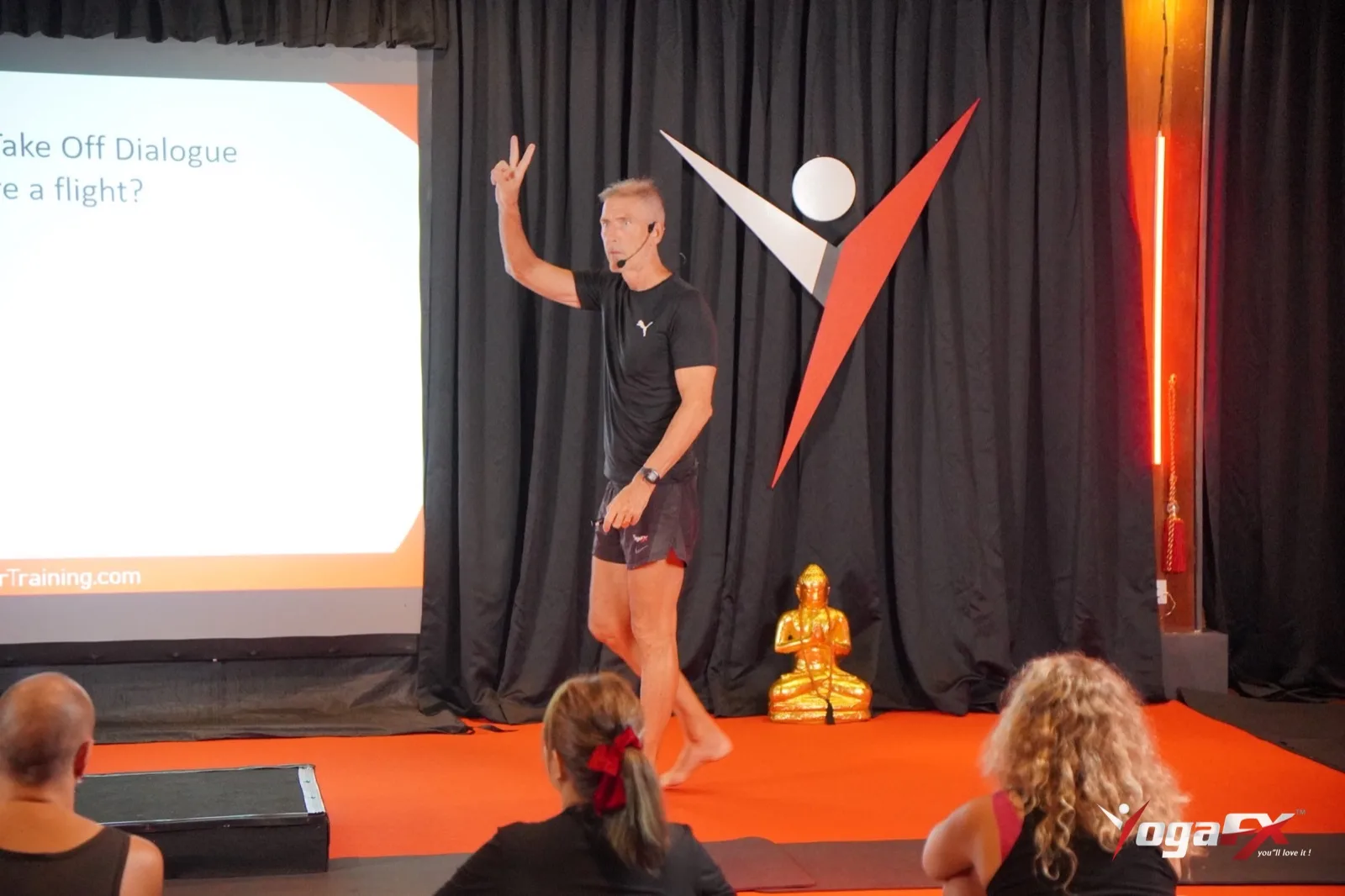
Mr. Ian Terry leads every YogaFX class as a 90-minute scripted dialogue at about 40°C and 40% humidity, with no music. Teacher trainees learn to watch for early warning signs in their students. That same awareness helps you plan a sauna after hot yoga.
The online course lets you study the dialogue, the 26 postures and the teaching method from home, then finish with the practical intensive in Bali. Learn more on our Bikram hot yoga online page.

FAQ
Can you do sauna after hot yoga?
Most healthy adults can, if they plan it. Wait about 30 minutes after class, drink water first and stay for five to ten minutes on a lower bench. Leave at the first sign of dizziness. People with heart conditions, low blood pressure or pregnancy should ask a doctor before trying a sauna after hot yoga.
Should you sauna before or after hot yoga?
After is the safer order. Hot yoga already raises your core temperature, so arriving at class warm and slightly dried out stacks the load in the wrong place. A short sauna before class suits only experienced practitioners who tolerate heat well. Beginners should keep the two sessions apart, ideally a morning class and an evening sauna.
Is a steam room or infrared sauna better after hot yoga?
Neither is proven better. A steam room feels gentler to some people because the air is cooler and humid, while an infrared cabin heats at a lower air temperature. The same rules apply to all three: hydrate first, keep the session short and leave when you feel unwell. Choose the one you tolerate best.
Does sweating in hot yoga remove anything harmful?
There is no good evidence that it does. Sweat mainly cools the body, while your liver and kidneys handle waste. What sweat does cost you is fluid and salt, so drinking water and eating something light matter more than chasing a drenched towel. Our guide on sweating explains the evidence in more detail.
What should you drink after hot yoga?
Water is the base. After a long sweat, an electrolyte drink can help you refuel, as Cleveland Clinic notes for sauna sessions. Sip steadily rather than gulping, and drink before you enter any sauna. Avoid alcohol until you feel normal, because it adds to dehydration and can hide early warning signs.
Still have questions? Message Mr. Ian and the YogaFX team on WhatsApp and we will answer them personally.