Yoga Continuing Education With a Day Job: 5 Essential Steps
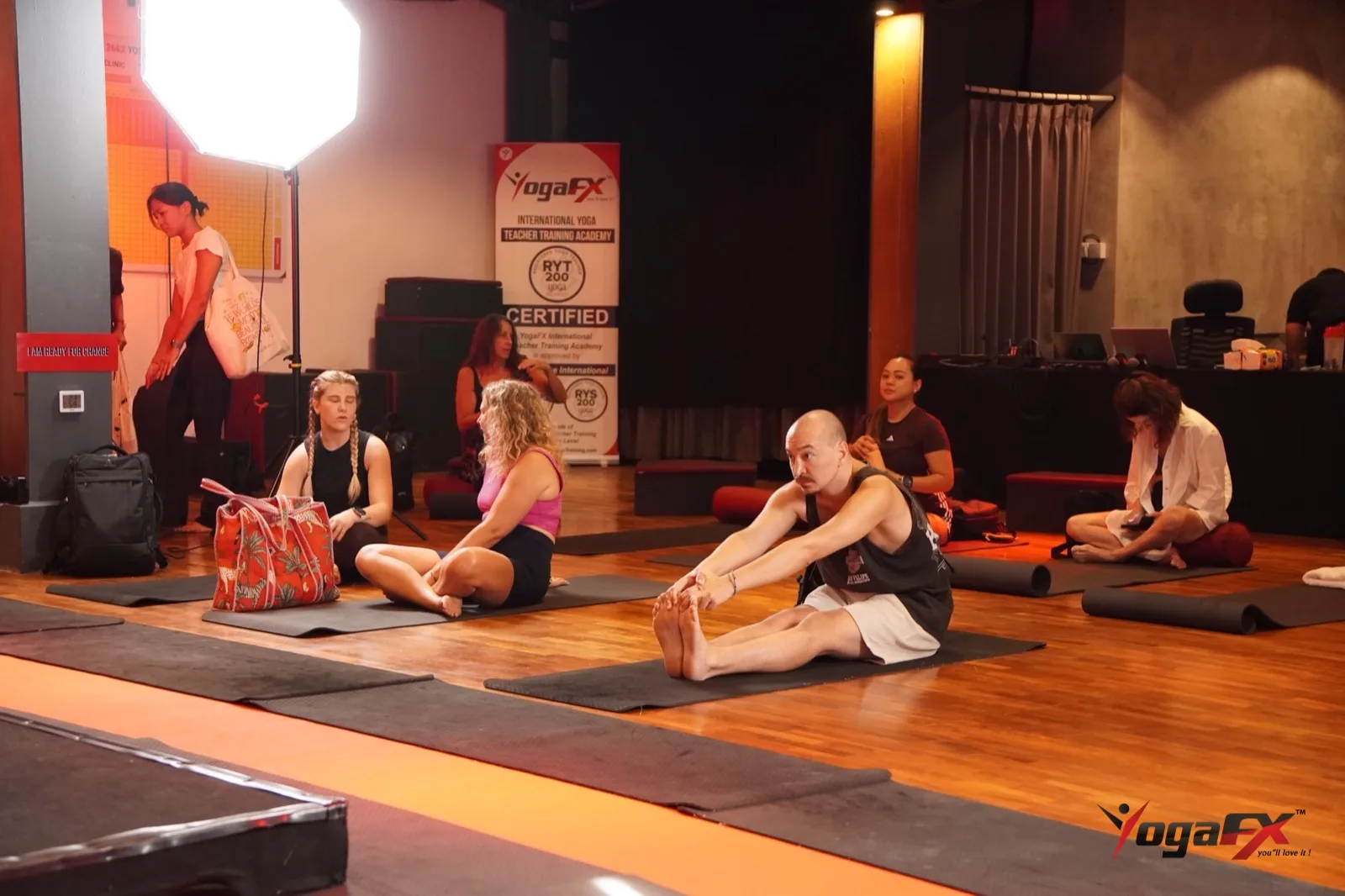
Yoga continuing education fits around a day job when you plan it in small weekly blocks instead of one big push. First find the exact hours your credential asks for, then count the free hours you really have, then spread the learning across the year. This guide shows how, step by step.
It is written for working teachers and graduates who still keep a desk, a shift or a family schedule. You don't need a sabbatical. You need a plan that survives a busy Tuesday.
Yoga continuing education with a day job: the short answer
Treat yoga continuing education like any other long project. Decide the finish line, cut it into small pieces, and put each piece in your calendar. Most people who stall don't lack interest. They lack a plan that matches the hours they actually have.
Here is the plan in five steps. Each one gets its own section below:
- Find your real requirement. Read the rules for your own credential, not a summary from a forum.
- Count your free hours. Be honest about evenings, commutes and weekends.
- Space your learning. Short sessions across weeks beat one long cram.
- Protect your body and head. A tired teacher learns less and teaches worse.
- Choose formats that fit a job. Mix home study with one focused in-person block.
Mr. Ian Terry, E-RYT 500 and founder of YogaFX, has taught for more than 12,000 hours. He tells working graduates the same thing again and again: your teaching improves most in the weeks you keep showing up, not in the week you finally find a free weekend.
Step 1: Find your real requirement first
Every plan starts with a number, and the number depends on your credential. The Yoga Alliance Standards for RYT Credentials says members must "complete Continued Education hours" to keep their membership active. That page doesn't list the hour count, so read the current figure in your own member account before you plan anything.
This matters because rules change, and older blog posts repeat old numbers. If a post tells you an exact total without linking to the source, treat it as a guess. Write the real number at the top of your plan.
Registration, credits and who decides
Yoga Alliance describes continuing education providers (YACEPs) as "experienced yoga professionals offering advanced learning opportunities" on its continuing education page. So the course you pick should come from a provider that carries that status if you want it to count. Ask before you pay, not after.
Not sure whether you hold the right credential for your goal? Our guide to what RYT 200 means explains the first rung, and Yoga Alliance fees over several years shows what staying registered costs.
For the wider picture of how a studio-based programme handles this for graduates, see this overview of continuing education routes at our sister site. It covers the Bali MasterClass and graduate support in more depth.
Step 2: Count your free hours for yoga continuing education
Most people overestimate their free time by half. Before you book a single course, track one normal week. Write down when you could study for at least 30 minutes without being interrupted.
Be strict. A lunch break you spend answering email is not a study slot. A Sunday you reserve for family is not a study slot either. Only count the hours you would protect if a friend asked for them.
- Weekday mornings: 30 to 45 minutes before the day starts, often the most reliable slot.
- Commute or lunch: audio lessons and flashcards, if you can listen without stress.
- Weekday evenings: one or two nights, kept free of meetings and screens.
- One weekend block: two to three hours for the harder topics, such as anatomy or teaching practice.
Once you have your honest weekly total, you can divide your required hours by the weeks you have. The answer is usually smaller than you feared. It looks big only when you picture it as one block.
| Slot | Time per week | Best used for | Watch out for |
|---|---|---|---|
| Early morning | 3 x 30 minutes | Reading and theory | Skipping it after a late night |
| Weekday evening | 2 x 45 minutes | Videos and note review | Meetings that run over |
| Weekend block | 1 x 2 hours | Teaching practice and anatomy | Family plans filling the slot |
| Total | About 4.5 hours | Steady progress all year | Burning out in month two |
Step 3: Space your learning across the year
There is a reason short sessions work. A 2006 review in Psychological Bulletin, Distributed practice in verbal recall tasks, examined spacing and lag between learning episodes. Its abstract reports that the gap giving the best recall grew as the retention interval grew.
In plain terms, the longer you need to remember something, the further apart your review sessions should sit. That is good news for a working teacher. A topic you meet on Monday and revisit on Saturday will stay with you better than a topic you meet for six hours straight.
Use that idea when you plan. Meet each new topic once, review it a few days later, and come back to it again after a few weeks. Keep a simple log so you can see the loop working.
A sample year, built around spacing
| Quarter | Main focus | Weekly effort | Output you can show |
|---|---|---|---|
| Months 1 to 3 | Check requirements, pick providers, start theory | About 3 hours | A written plan and a first course |
| Months 4 to 6 | Anatomy, cueing and teaching practice | About 4 hours | Three recorded practice classes |
| Months 7 to 9 | One focused in-person block | Block plus 2 hours | Feedback from a live trainer |
| Months 10 to 12 | Review, gaps and paperwork | About 3 hours | Records filed and next year mapped |
Notice that the in-person block sits in the middle, after you have built a base and before you get tired. That timing is deliberate. A focused week works best when you arrive prepared.
Step 4: Protect your body and your head while you study
Study on top of a full-time job is a load. Treat it that way. The NHS physical activity guidelines for adults say adults should "do at least 150 minutes of moderate intensity activity a week" and do strengthening work on at least 2 days a week. The World Health Organization uses the same 150 minute figure as its baseline for meeting the global recommendations.
Yoga counts toward strengthening, so your own practice does double duty. It keeps you fit and it keeps your teaching honest. A teacher who trains regularly cues from experience, not from a textbook.
Stress needs a plan too. The NHS stress guide notes that exercise "will not make your stress disappear, but it can reduce some of the emotional intensity" you feel. That is a fair description of what a steady practice does during a heavy study month.
Step 5: Choose yoga continuing education formats that fit a job
There are three broad ways to earn hours. Each suits a different kind of week:
- Online and self-paced: the easiest to fit in. Weakness: no one watches you teach.
- Evening or weekend workshops: good for one topic. Weakness: they can pile up and cost more than you expect.
- One in-person intensive: the fastest way to get live feedback. Weakness: it needs leave from work.
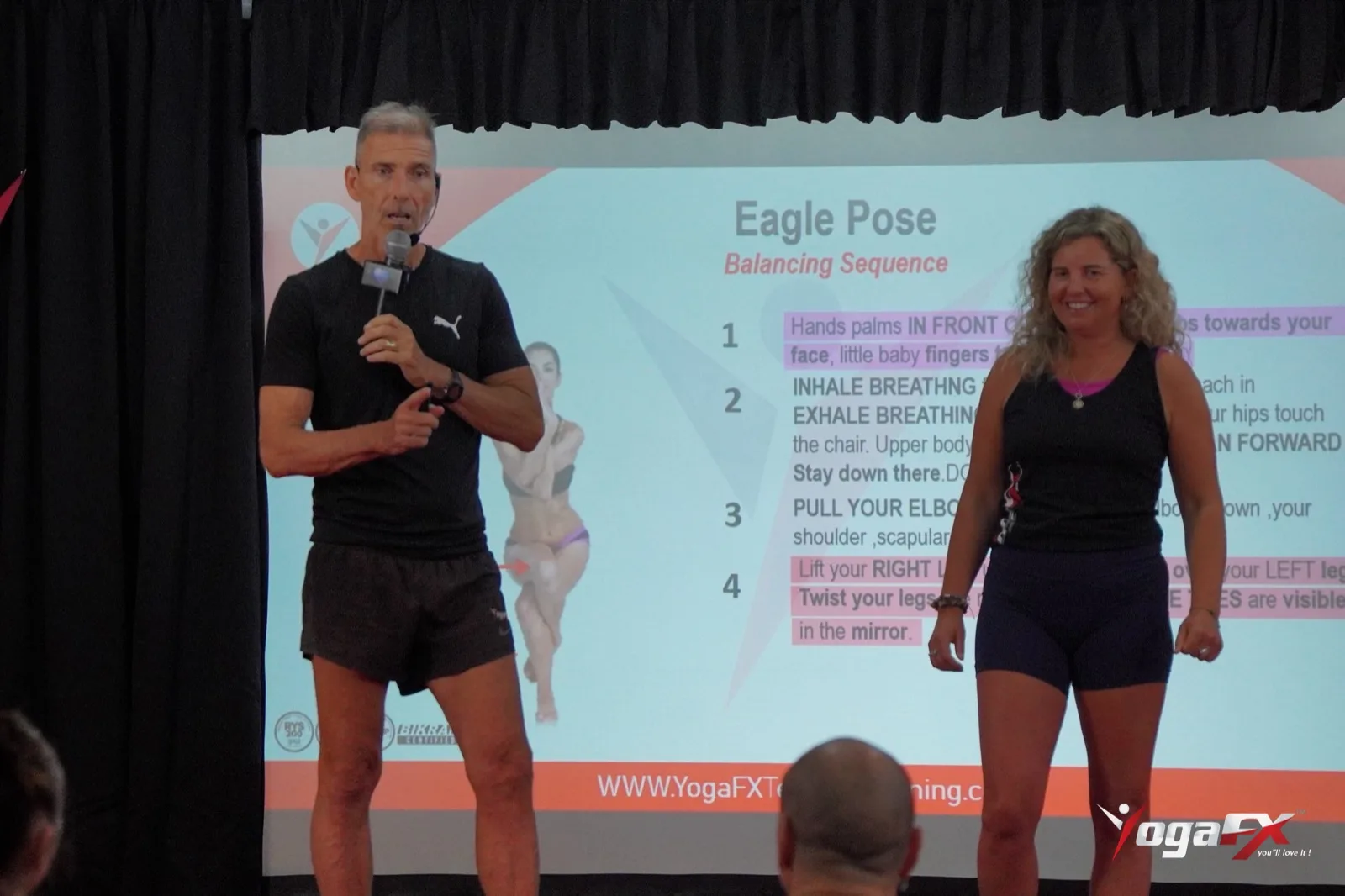
The strongest plans mix them. You study the theory at home, then use one in-person block to test it with a trainer in the room. That is exactly how the YogaFX MasterClass is built.
Workshops, credits and what to ask before you book
Yoga continuing education workshops come in every shape: a two-hour evening session, a full weekend, a week in the hills. They are easy to love and easy to over-buy. Pick workshops that fill a gap in your teaching, not ones that only look interesting on a flyer.
Before you pay for any course, ask four plain questions:
- Who teaches it? Look for named teachers with real teaching hours.
- Does it carry YACEP status? A YACEP Yoga Alliance certification route only helps if the provider is listed.
- How are yoga continuing education credits recorded? Ask what proof you get and when.
- What happens if you miss a session? Working people miss sessions, so check the make-up policy.
Keep every certificate and receipt in one folder. When your renewal arrives, you will thank yourself. Good records turn yoga continuing education credits from a stress into a ten-minute job.
How the YogaFX route works for someone with a job
The YogaFX MasterClass is a six-day hybrid. You complete the pre-course online study first, at your own pace, then finish with an intensive in Bali. The next batch checks in on Sunday 24 January 2027 and checks out on Friday 29 January 2027, at the Soham Wellness Center in Seminyak.
Because the online part comes first, most people only need about five working days off. That is why it suits teachers who can't leave a job for a month, so it works well as the one big block in your year.
The Early Bird price is US$1,899, against US$1,999 normally. Interest-free instalments start from US$250 a month.
The MasterClass carries the Yoga Alliance RYT 200-Hour and the Bikram Hot 26&2 200-Hour International Yoga Certification. If you already hold a certificate and want to know how it fits your own record, message the team and ask. Whether a course counts toward your continuing education is a question for the provider and for Yoga Alliance, so confirm it before you book.
Want to hear the teaching style before you commit? Try the free preview lessons and listen to how the dialogue is taught. Online learners who want the full pathway can read our guide to online yoga teacher certification.
What graduates say about studying around real life
Numbers help, but people persuade. Here are two trainees from our YouTube reviews, in their own words.
It's the best thing I've ever done and I'm gonna do yoga for the rest of my life, so thank you.
Katie, YouTube review, 2024
Thank you for this three weeks. It has been very good, and you have done a very good job.
Jan, YouTube review, 2019
Katie's story is worth a minute of your time. She says finishing the training had been a dream for about five years, and she watched it come true. You can watch her review below.
The real cost of yoga continuing education
Money is the second thing that stops people after time. The fixed membership fees are modest, and they sit in the Standards document. The bigger bill is the courses you choose, so budget for those first.
| Item | Amount | When you pay | Who it goes to |
|---|---|---|---|
| Yoga Alliance application fee | One time, see current Standards | At registration | Yoga Alliance |
| Yoga Alliance membership dues | Annual, see current Standards | Every year | Yoga Alliance |
| Workshops and courses | Varies by provider | When you book | The provider |
| MasterClass Early Bird | US$1,899 | Or instalments | YogaFX |
| MasterClass instalments | From US$250 a month | Monthly, interest-free | YogaFX |
Keep a small buffer too, because courses sometimes sell out and travel costs creep up. A plan that already includes a spare month of savings survives surprises.
Five mistakes to avoid when you plan your hours
- Starting without the number. Planning before you know your requirement wastes weeks.
- Overbooking the first month. Enthusiasm fades. Plan for the tired version of you.
- Paying before checking status. Confirm a provider's credit status in writing first.
- Skipping your own practice. Study without practice makes you a worse teacher, not a better one.
- Leaving the paperwork to the end. File certificates as you earn them, not in a panic.
If you worry that a credential is a must before you can teach, read our honest answer on teaching yoga without certification. It explains what studios and insurers usually expect.
What to do this week
You don't need to solve the whole year today. Do three small things this week and you are already ahead of most people.
- Open your account and write down your real requirement and your renewal date.
- Track one normal week and mark the slots you would protect.
- Book one thing: a course, a preview lesson or a conversation with a provider.
Then repeat the review every month. A plan that you adjust every four weeks beats a perfect plan that you never open again.
FAQ: yoga continuing education with a day job
How many hours of yoga continuing education do I need?
The exact hours and renewal period are set in Yoga Alliance's Standards for RYT Credentials and your member account, and they can change over time. Read the current figure there before you plan, write it at the top of your calendar, then divide it by the weeks you have. Count only hours from approved sources.
What is a YACEP?
Yoga Alliance describes a YACEP as an experienced yoga professional offering advanced learning opportunities. Eligibility is open to E-RYTs in good standing with Yoga Alliance. If you want a course to count toward your hours, ask the provider whether it carries YACEP status before you pay.
Can I do yoga continuing education online?
Many providers teach online, and that suits a day job well. The YogaFX route starts with online study at your own pace and finishes with a six-day intensive in Bali. Always check a provider's format and credit status before you book, because both vary between courses.
How much does staying registered with Yoga Alliance cost?
Yoga Alliance's Standards for RYT Credentials list a one-time application fee and annual membership dues. Check the current amounts there, because fees change over time. Your continuing education courses are a separate cost that varies a lot by provider, so budget for them on their own line.
Is yoga continuing education worth it with a full-time job?
It is if you plan small weekly blocks and pick formats that fit your week. Short sessions spaced across the year stick better than one long push. Start by counting your real free hours, then choose one course you can finish without burning out.
Still have questions? Message Mr. Ian and the YogaFX team on WhatsApp and we will answer them personally.
This guide is general information, not legal or medical advice. If you have a health condition, consult a healthcare professional before you change how you train.