
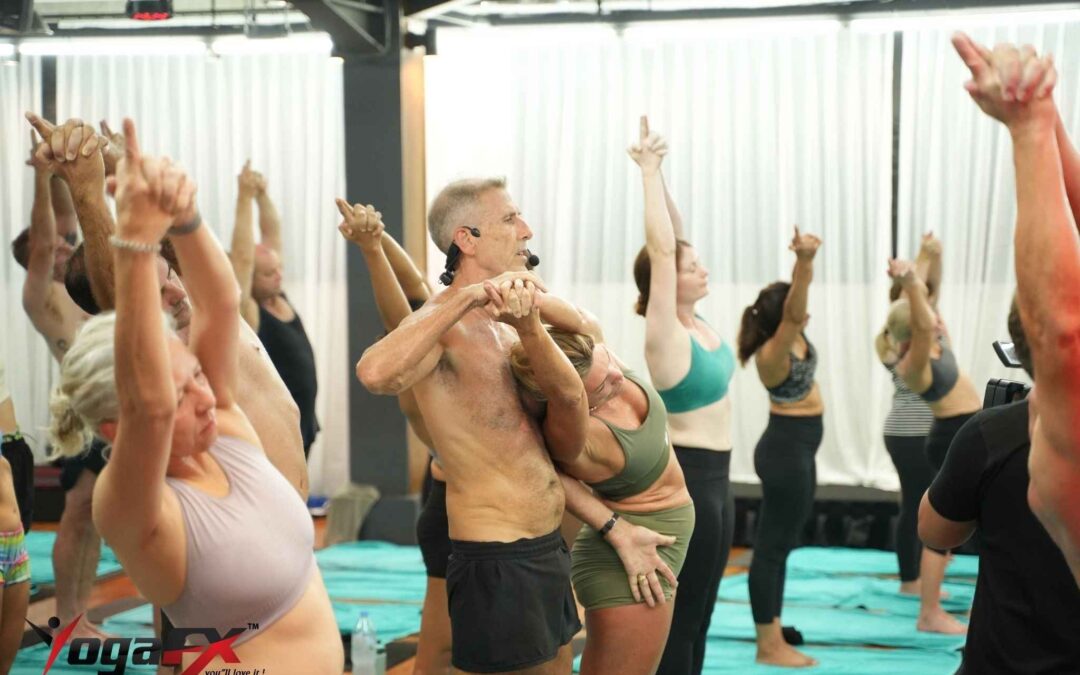
Legally, yes, you can teach yoga without certification in most countries, including the United States. The yoga industry is unregulated, so no law requires a licence or formal degree to lead a class. In practice, though, studios, insurers and students almost always expect at least 200 hours of training, and hot yoga raises that bar even higher.
So the honest answer has two parts: what the law allows, and what the real world accepts. This guide covers both, with a special focus on hot yoga and the 26&2 sequence. You’ll also hear how Mr. Ian Terry, E-RYT 500 and founder of YogaFX, advises students who are already being asked to teach.
The Legal Reality: You Can Teach Yoga Without Certification
Many people think yoga teachers need a licence, like nurses do. They don’t. In most countries, the yoga industry is unregulated, which means no law requires a certificate, licence or degree before you guide someone through a class.
No mandatory licence
There is no government board or legal requirement that forces you to hold a certificate to guide people through movement or breathwork. In other words, the law doesn’t stop you from teaching yoga without certification.
Informal settings are open
You can legally teach friends, private clients or small community groups on your own. A Sunday session in the park or a stretch class for your running club is generally fine. Local business rules may still apply if you charge money, so it’s worth checking what your city or country expects.
However, “legal” and “ready” are not the same thing. The law sets the minimum. Studios, insurers and students set the real standard, and that standard is where most new teachers get stuck.
What Training Teaches You That Classes Don’t
Years of practice make you a strong student. But being good at yoga and being good at teaching it are different skills. That gap is the real reason most people shouldn’t teach yoga without certification, even when the law allows it.
A proper 200-hour training covers things you rarely pick up from the mat:
- Anatomy. Why a posture such as Ustrasana (Camel) needs extra care for students with tight backs.
- Cueing. How to guide a body with words alone, which is the heart of the 26&2 dialogue.
- Observation. How to scan a full room and spot the one student who is struggling.
- Modifications. How to offer a safer version for injuries, pregnancy or first-timers.
- Class management. Timing, pacing and keeping energy steady for 90 minutes.
- Ethics. Boundaries, consent for hands-on help and how to speak to students with respect.
In fact, none of these skills shows up in your own practice. You only learn them by studying, teaching and getting feedback. That’s why a certificate matters more to studios than how deep your backbend is.
Why Teaching Hot Yoga Without Certification Is Difficult
For general yoga, you might find a few informal ways to teach yoga without certification. For hot yoga, the practical barriers stack up quickly. Here are the four that matter most.
1. Studio requirements
Most established yoga studios, fitness chains and hot yoga studios ask for proof of at least a 200-hour Yoga Teacher Training (YTT) before they put you on the schedule. It’s usually the first question in an interview, before anyone watches you teach.
This table shows where teaching without a certificate is realistic and where it usually isn’t:
| Setting | Without certification? | Why |
|---|---|---|
| Friends and family | Usually fine | Informal, unpaid, low risk |
| Small community group | Possible | Often allowed, but insurance still matters |
| Private paid clients | Legal, but risky | You carry the liability yourself |
| Gyms and fitness chains | Rarely | Most require a recognised certificate |
| Yoga and hot yoga studios | Very rarely | 200-hour YTT is the usual minimum |
| Running a teacher training | No | Requires advanced credentials such as E-RYT 500 |
2. Hot yoga safety risks
Hot yoga takes place in high-heat, high-humidity rooms. At YogaFX studios in Bali, for example, a class runs for 90 minutes at 40°C and 40% humidity. Those conditions can increase the risk of:
- Dehydration. Students lose fluid quickly, especially in their first few classes.
- Dizziness. Standing up too fast or holding the breath can make students light-headed.
- Low blood pressure. Heat widens blood vessels, which may leave some students feeling faint.
- Over-stretching. Warm muscles feel more flexible, so students may push past safe limits.
Students are more vulnerable in a heated room. So studios rarely risk hiring uncertified teachers. A trained teacher knows how to spot early warning signs, when to suggest a break and how to cue safer alignment. Anyone with a health condition should consult a healthcare professional before practising hot yoga.
Done well, hot yoga can be very rewarding. A 2025 systematic review by Willmott and colleagues looked at 43 studies with 942 participants. It found that Bikram-style hot yoga may support flexibility, bone density and well-being. Those benefits depend on safe teaching, which is exactly what training gives you.
3. Insurance coverage
Most general liability insurance providers expect proper training credentials before they’ll cover a yoga teacher. If you teach yoga without certification and without insurance, you’re personally responsible if a student gets injured. In a hot room, where the risks above are higher, that’s a heavy load to carry.
Yoga teacher insurance is usually affordable once you’re certified. So the certificate does more than open studio doors; it also makes it far easier to protect yourself and your students.
4. Student trust
People paying for a class expect instruction backed by formal study in anatomy, safe alignment and heat-related safety adjustments. Many will ask about your training before they book. A clear answer, such as “I’m RYT 200 and certified in Bikram Hot 26&2”, builds trust in seconds.
“The Gym Keeps Asking Me to Teach”: What to Do
This happens more than you’d think. You’ve practised for years, the trainers at your gym notice, and suddenly they want you to cover a class. It’s flattering, and it’s tempting to say yes and teach yoga without certification just this once.
Before you agree, run through these steps:
- Ask about insurance. Find out whether the gym’s policy covers an uncertified instructor. Often it doesn’t.
- Offer to assist first. Help a certified teacher with demonstrations or room setup while you learn.
- Keep it gentle. If you do lead, avoid heated rooms and advanced postures until you’re trained.
- Start your training. Tell the gym you’re enrolled. Most managers will happily wait a few weeks for a certified teacher.
Mr. Ian’s view is simple: if people already want you to teach, that’s the best reason to get trained properly. The demand is there; the certificate just lets you meet it safely.
Can You Teach Yoga Online Without Certification?
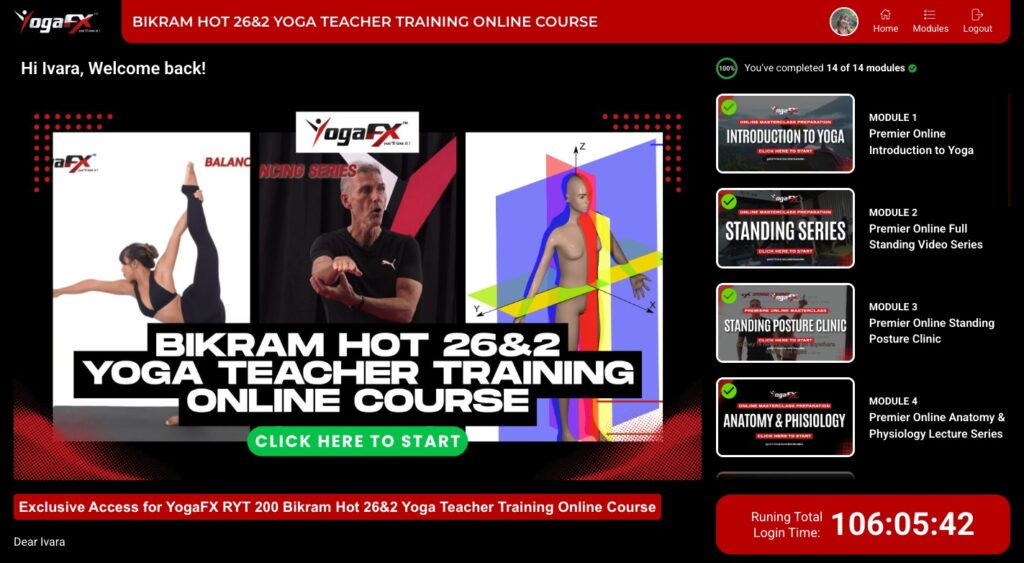
Online classes follow the same basic rule. Legally, you can usually teach yoga without certification on a video call or social media. Practically, the same problems appear, and a few new ones too.
On a screen, you can’t see every student clearly. As a result, you can’t step in if someone feels faint. Many online platforms and corporate clients also ask for proof of training before they list your classes or pay you.
So if you plan to teach yoga without certification online, keep classes gentle and short, ask students about injuries first, and avoid anything that needs a heated room. Better still, use that time to finish a course. Many of our students study online during the week and start teaching small online groups once they graduate.
A Quick Checklist Before Your First Class
Whether you’re certified or not, run through this list before you lead anyone:
- Know your local rules for paid classes and public spaces.
- Check your insurance or the venue’s policy in writing.
- Ask about injuries and health conditions at the start of class.
- Keep water and towels nearby, especially in warm rooms.
- Plan modifications for every posture you teach.
If you can’t tick every box, that’s a sign you shouldn’t teach yoga without certification yet. Training fills those gaps faster than trial and error.
Do You Have to Be Yoga Alliance Certified to Teach?
No, not legally. Yoga Alliance is a registry, not a government body. Your certificate actually comes from the school that trained you. After graduating from a Registered Yoga School (RYS), you can choose to register as a Registered Yoga Teacher (RYT 200).
That said, many studios look for the RYT 200 listing because it shows you completed a recognised 200-hour course. According to the Yoga Alliance standards for Registered Yoga Schools, lead trainers on the newer RYS 200 credential must hold the E-RYT 500 designation. Online RYS 200 courses must also include at least 30 live hours, as our guide to online yoga teacher certification explains.
For a full breakdown of how registration works, read our guide to choosing a yoga teacher training with confidence.
What If Something Goes Wrong?
Picture this. You teach yoga without certification at a friend’s small studio. A student pushes too far in a deep backbend and hurts their lower back. Afterwards, three questions come up quickly.
- Who pays? Without insurance, any claim may land on you personally.
- What did you know? A trained teacher can explain the cues and modifications they offered.
- Will the studio back you? Many venues can’t, because their own policy only covers certified instructors.
Most classes end without any problem, of course. Still, the risk is real, and it’s higher in a hot room. This is general information rather than legal advice, so speak to a local insurer or adviser if you plan to teach for money.
Signs You’re Ready to Start Training
If you’ve been asking whether you can teach yoga without certification, you’re probably closer to training than you think. Here are some common signs:
- Friends ask you for tips after class, or copy your postures.
- You know the sequence by heart and notice when a teacher skips a cue.
- A gym or studio has asked whether you’d cover a class.
- You want to understand why each posture works, not just how to do it.
You don’t need perfect flexibility to start. You need regular practice, curiosity and the patience to learn the dialogue one posture at a time.
Age isn’t a barrier either, because training is about skill, not youth. YogaFX trainees range from people in their twenties to career changers in their fifties and beyond. What they share, however, is a wish to teach safely. Most say they wish they had stopped asking whether they could teach yoga without certification and simply started training sooner.
If you recognise yourself in two or more of the signs above, a short conversation can help you choose the right route. Mr. Ian and the team answer questions on WhatsApp every day, and there’s never any pressure to enrol.
The Fastest Low-Cost Way to Get Certified
If cost or time is the only thing keeping you from training, you don’t need to quit your job or move abroad for a month to get qualified. YogaFX offers two routes that work around a normal life.
Route 1: Bikram Hot Yoga Teacher Training Online
The Bikram Hot Yoga Teacher Training Online is a 200-hour package you study at your own pace, with lifetime access. It includes:
- Standing and Floor Series. Posture videos, workbooks and the full dialogue for every posture.
- Anatomy and Physiology. The body knowledge students expect a teacher to have.
- Philosophy and Meditation. Lectures and quizzes that go beyond the postures.
- Live Event Recordings. Real student teaching and Q&A sessions to learn from.
The Early Bird price is US$329 (normal price US$399), and interest-free instalments are available.

Route 2: The hybrid MasterClass in Bali
For full dual certification, students join the Bikram Hot 26&2 Yoga Teacher Training MasterClass. It’s a 6-day hybrid programme: online study first, then an intensive in Bali with Mr. Ian. Graduates earn the Yoga Alliance RYT 200-Hour and the Bikram Hot 26&2 200-Hour International Yoga Certification.
The MasterClass costs US$1,899 at the Early Bird price (normal US$1,999), with interest-free plans from US$250 per month. The next intake runs from Sunday 24 January to Friday 29 January 2027 at Soham Wellness Center in Seminyak.
Not sure yet? Try a free lesson first through our complementary preview, or compare hot yoga teacher training options if nothing runs near you.
Why Train With YogaFX and Mr. Ian Terry
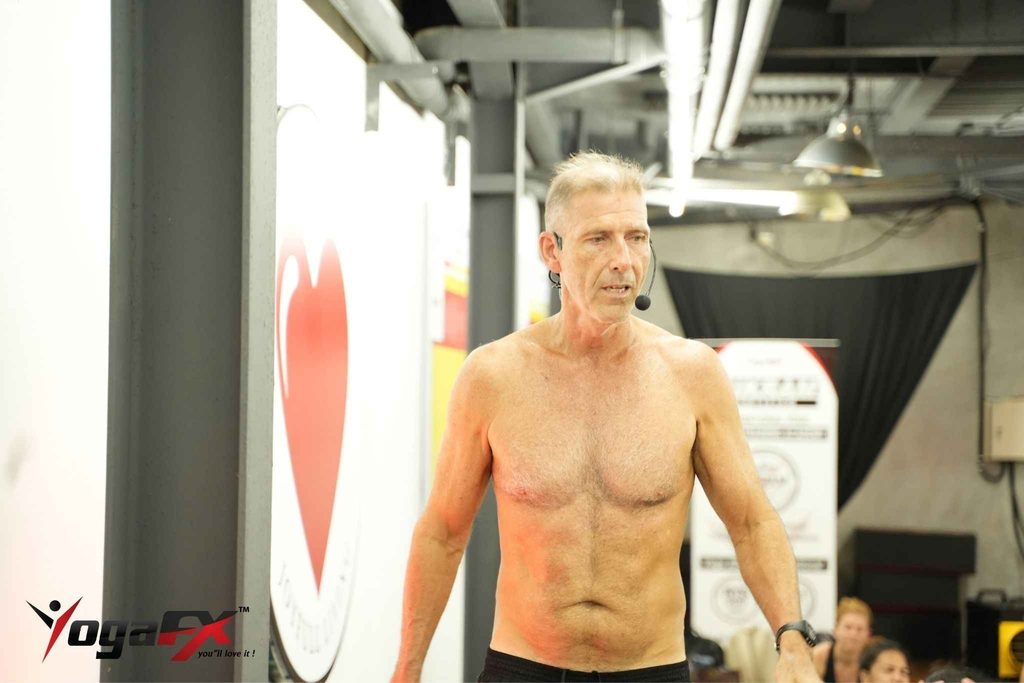
YogaFX was founded in 2017 by Mr. Ian Terry, E-RYT 500, who has more than 12,000 hours of teaching experience. He trained for five years, from 2014 to 2019, alongside the founder of the Bikram Hot 26&2 method. Today he is also Master Trainer for the Republic of Indonesia Yogasana Sports Federation.
More than 1,500 graduates from over 80 countries have trained with YogaFX. Many of them started exactly where you are: practising for years, being asked to teach, and wondering whether they needed a certificate. Their stories appear in 150 Google reviews, 50 Yoga Alliance reviews and 357 YouTube video testimonials, like this one:
Some graduates have gone further still, winning 12 medals in Yogasana championships, including 5 golds. It all starts with the same decision: to stop wondering whether you can teach yoga without certification, and to get trained properly instead.
FAQ
Do you need a license to teach yoga?
In most countries, including the United States, no government licence is required to teach yoga, because the industry is unregulated. Some places may still have business permits or registration schemes for paid classes, so check your local rules. Employers and insurers usually ask for a 200-hour certificate instead.
Do you have to be Yoga Alliance certified to teach yoga?
No, it isn’t a legal requirement. Yoga Alliance is a registry, and your certificate comes from the school that trained you. Even so, many studios prefer teachers with an RYT 200 listing, because it shows they completed a recognised 200-hour training at a Registered Yoga School.
Can I teach yoga to friends without certification?
Yes. Teaching friends, family or a small community group informally is legal in most places. Keep the class gentle, avoid heated rooms and advanced postures, and remember that without insurance you carry the responsibility if someone gets hurt. Training is the safer next step if you enjoy it.
What certification do you need to teach yoga?
The usual industry standard is a 200-hour Yoga Teacher Training from a Registered Yoga School. For hot yoga, look for a course that also covers the 26&2 dialogue, heat safety and posture correction, so studios and students can trust you in a heated room.
How long does it take to get certified to teach yoga?
A 200-hour course can take a few weeks full time or several months part time. Online study goes at your own pace. With the YogaFX hybrid route, you complete the online study first, then finish with a 6-day MasterClass in Bali for dual certification.
Still have questions? Message Mr. Ian and the YogaFX team on WhatsApp and we will answer them personally.